
Public Shaming- Too High a Cost
We’ve already talked about the detrimental effects of shame from the Presidential Fitness Test. As a country, we found this practice to be so sadistic we discontinued its usage.
I’m sure if you went to public school, or probably most private schools, and I would imagine the majority of home schools, you can probably think of times that shame was used to control your behavior.
“Why can’t you act like the other kid?”
“Why aren’t you on time?”
“Well, you certainly don’t look very ill.”
So many interactions are on display in the classroom. Simply answering a question involves a risk.
If a wrong answer is seen as a natural part of the learning process and an opportunity to learn, we can become more comfortable with making classroom contributions. If a wrong answer is met with criticism, scolding, and exasperation, then participating becomes more scary.
Watching your teacher scold other students for trying makes it just as scary, because the next time it could be you.
Children’s Hospital Colorado says blatantly “Public shaming is destructive to adolescent identity,” explaining that this tactic does more harm than good and leads to a buildup of resentment.
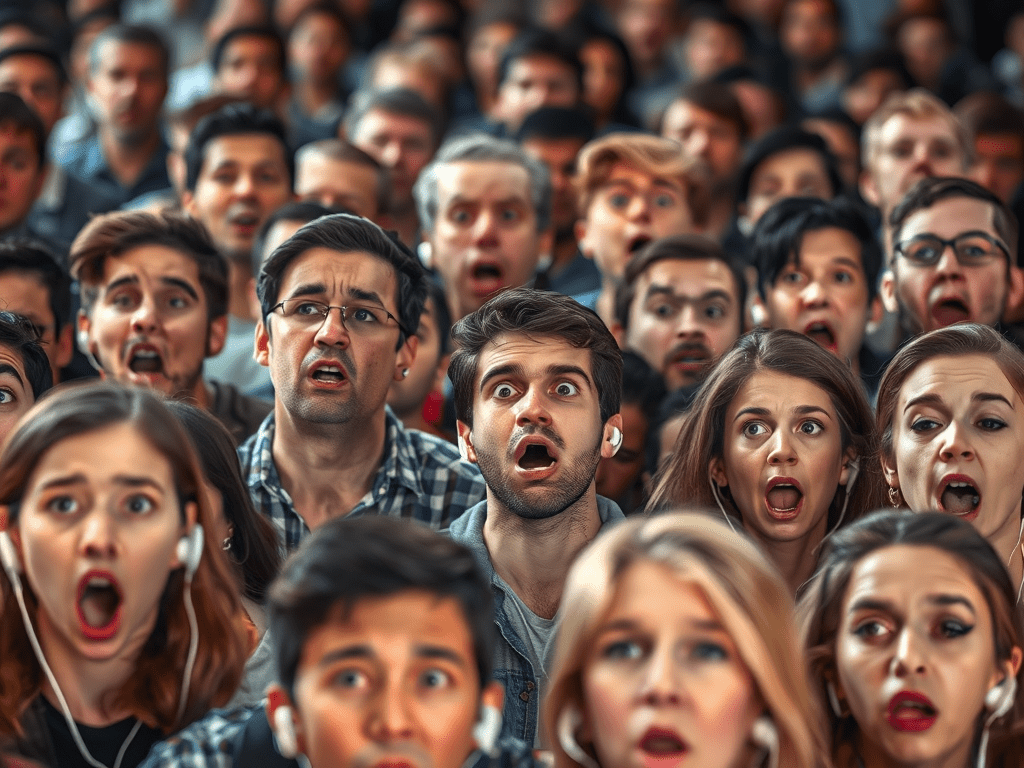
Psychology Today goes a step further stating, “Few experiences are as damaging to the human psyche as public humiliation,” describing public shame as a two-pronged attack on identity and social status that can have devastating effects.
When children feel under attack in such a way, not only does it affect their identity, it can have devastating effects for individuals who struggle with depression and low self-esteem, leading to a sense of worthlessness and helplessness.
It’s no surprise that public shaming is a key component in creating active shooters.
The very act of shaming requires the dismissal and ignorance of a child’s reality. They are learning. They don’t know yet. They need us to fill in their skill deficits. Making them feel awful doesn’t change this.
An issue that came up recently for us involved shaming kids about going to the bathroom. Kids have tiny bladders and tiny attention spans. Children in younger grades are more likely to not have physical abnormalities diagnosed yet, so physical conditions that would lead to frequent or extended bathroom use are probably not known to the teacher.
Why wouldn’t we give them the benefit of the doubt and some gentle coaching?
While I agree that children shouldn’t dilly-dally in the bathroom, creating toileting behavior as publicly shameful creates an environment that is unsafe for a child with a tummy ache, a child with a small bladder or poor bladder control, a child who has a little accident, or a child who starts menstruating (which does occasionally happen at these ages. I started at 8).
Shaming children who don’t memorize math facts as quickly as expected amounts to torture for children who have learning disorders like dyscalculia. Some kids struggle regardless of the work they put in, and this dismisses the effort and intention in favor of perfection.
In this environment, even if you aren’t being shamed in the moment, the potential always persists, leading to the long-term overproduction of cortisol.
The educator in these circumstances is not seen as a resource, but as a potential ambush.
Please also consider how triggering humiliation is for children with a trauma history who desperately need adults they can trust with their wellbeing.
If we don’t want our children publicly shaming each other online into life-threatening scenarios, why would we model for them that shaming is appropriate? It’s predictable that after experiencing the stinging humiliation of public shame, a child would embrace bullying practices out of a need to regain power, especially in the absence of seeing better behavior modeled by adults.
Brené Brown has done truly revolutionary work on the effects of shame, and she’s revealed that many broken behaviors stem directly from shame. From her we learn that shame prevents connection and vulnerability, which is a shame (see what I did there), because connection is ‘neurobiolocally, why we are here,” and vulnerability is the “birthplace” of joy, creativity, belonging, love, innovation, and so much more.
In contrast, shame and the absence of vulnerability lead to behaviors like substance abuse, overspending, eating our feelings, and a long list of behaviors to numb the ache.
In fact, Brown’s research revealed that the key to living a wholehearted life with a deep sense of worthiness is the belief that one is worthy of love and belonging, resulting in the courage to be imperfect, compassion to be kind to themselves and others, and connection as the result of authenticity.
These people, who live incredibly fulfilling lives, embrace vulnerability and lean into discomfort as a necessary part of living.
Public shaming makes it impossible to foster an environment of vulnerability, growth and authenticity.
There are so many scientifically-backed sources that describe the detrimental effects of public shaming practices. When you start reading about the effects of public shaming, it becomes clear that it is a powerful form of abuse, which has no place in the classroom.
Thankfully, social science has identified some deeply beneficial practices to use instead. I personally recommend The Happy Child which is a short training app created by The Human Improvement Project.
Fragile children deserve to feel worthy and safe.
Students with academic challenges deserve to feel worthy and safe.
Students with behavioral challenges deserve to feel worthy and safe.
Students who don’t have the tools or ability to speak up deserve to feel worthy and safe.
Children who are messy,
Children with autism,
Children who are overstimulated,
Children with ADHD,
Children with Dyslexia
Children with Dyscalculia
the least able,
the least verbal
They ALL deserve to feel worthy and safe.
Children who face this treatment at home deserve a place to feel worthy and safe.
References
https://www.childrenscolorado.org/conditions-and-advice/parenting/parenting-articles/public-shaming/
https://www.humanimprovement.org/blog/the-docs-happiness-model-dopamine-oxytocin-cortisol-serotonin
https://www.humanimprovement.org/blog/have-you-seen-an-emotional-ambush

















 Operation **Reclaim** Loveland
What do you think?