
The Cost Of Homelessness
Can you contrast the cost of homelessness with the cost of solving homelessness?
Can you go even further and compare different models of solving homelessness, like housing first?
Solving homelessness—especially through Housing First—is not only more humane, but far more cost-effective than allowing homelessness to persist. Housing First models consistently outperform traditional approaches in both outcomes and savings.
💸 The Cost of Homelessness
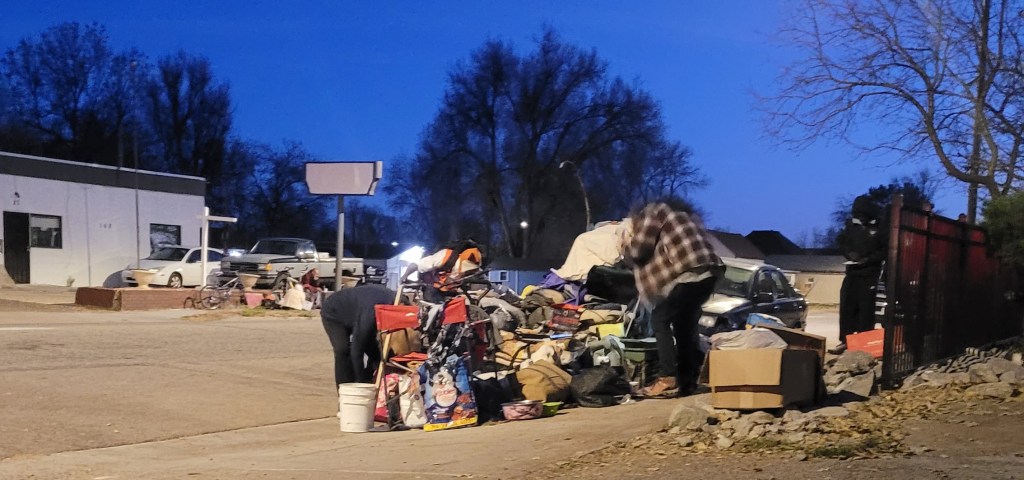
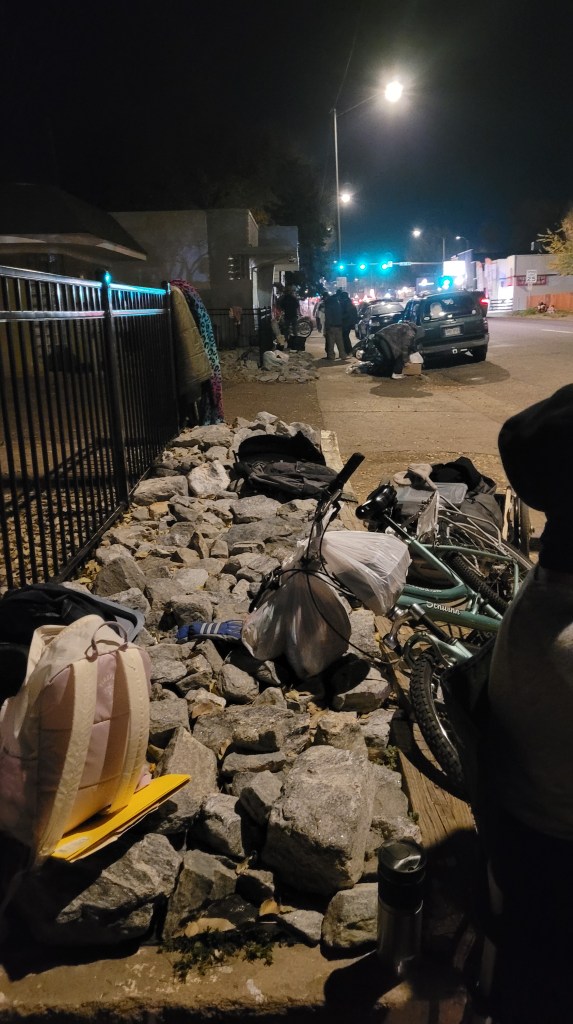
Allowing homelessness to persist imposes massive costs across multiple systems:
- Emergency services: Unhoused individuals disproportionately use ERs, ambulances, and crisis care. One study found that the top 5% of hospital users—mostly poor and housing-insecure—consume 50% of healthcare costs.
- Shelters and temporary housing: These are expensive to maintain and often fail to provide long-term stability.
- Criminal legal system: Arrests for loitering, trespassing, or survival crimes drive up municipal costs.
- Lost productivity and social cohesion: Homelessness disrupts education, employment, and community safety nets.
- Estimated annual cost per person: Up to $31,545 in emergency services alone.
🏠 The Cost of Solving Homelessness
Solving homelessness—especially through Housing First—requires upfront investment but yields long-term savings:
- Housing First model: Rapid Re-Housing and Permanent Supportive Housing cost up to $23,000 less per person per year than shelter-based models.
- National estimate: Providing Housing First placements to all sheltered households in the U.S. would require an additional $9.6 billion annually—a fraction of what’s spent reacting to homelessness.
- Cross-system savings: Housing First reduces hospital stays, jail time, and shelter use, offsetting costs across sectors.
🧩 Comparing Models of Homelessness Solutions
| Model | Description | Cost Efficiency | Outcomes |
|---|---|---|---|
| Housing First | Immediate access to housing without preconditions; supportive services optional | High—up to $23K less per person/year than shelters | Best—higher housing retention, lower emergency use |
| Treatment First | Requires sobriety, mental health treatment, or program graduation before housing | Low—longer shelter stays, higher recidivism | Poor—barriers delay housing, increase instability |
| Transitional Housing | Temporary housing with structured services | Moderate—costly and often underutilized | Mixed—some success, but less effective than Housing First |
| Emergency Shelters | Short-term crisis response | High cost, low return | Temporary relief only—no long-term stability |
🧭 Strategic Takeaway for Loveland
In Loveland, where housing costs and zoning rules are driving up homelessness, investing in Housing First would not only reduce suffering—it would save money across health, legal, and municipal systems. It also aligns with your quadrant framing: Care over criminalization, sovereignty over surveillance, and systemic repair over symbolic abandonment.




















- National Alliance to End Homelessness. (2023). Housing First.
- This resource outlines the principles and outcomes of the Housing First model, emphasizing its effectiveness in reducing chronic homelessness and improving health and stability. It provides data on cost savings and retention rates, making it a cornerstone for policy advocacy.
- https://endhomelessness.org
- Culhane, D. P., Metraux, S., & Hadley, T. (2002). Public service reductions associated with placement of homeless persons with severe mental illness in supportive housing. Housing Policy Debate, 13(1), 107–163.
- A foundational study demonstrating that supportive housing significantly reduces public service use—including hospitalizations, incarceration, and shelter stays—resulting in net savings. Often cited in cost-benefit analyses of Housing First.
- DOI: 10.1080/10511482.2002.9521437
- United States Interagency Council on Homelessness (USICH). (2022). The Evidence Behind Approaches That End Homelessness.
- This federal resource compares models like Housing First, transitional housing, and treatment-first approaches. It highlights Housing First as the most effective and cost-efficient strategy, especially for chronic homelessness.
- https://usich.gov
- Colorado Coalition for the Homeless. (2021). The Cost of Homelessness in Colorado.
- A localized report detailing the financial burden of homelessness on Colorado’s emergency services, healthcare systems, and criminal justice infrastructure. It includes per-person cost estimates and policy recommendations.
- https://coloradocoalition.org
- Loveland Housing Authority & City Council Budget Reports (2023–2025).
- These municipal documents provide insight into Loveland’s housing expenditures, shelter allocations, and emergency response costs. They are essential for forensic budget analysis and identifying gaps in systemic investment.
- Available via public records request or city website: https://lovgov.org
Impactful Hashtags for Loveland Housing Advocacy
Use these as we continue to #FloodTheFeed
#HousingFirstLoveland
#CareNotCriminalization
#BudgetJusticeNow
#UnhousedNotInvisible
#EndSymbolicAbandonment

 Operation **Reclaim** Loveland
What do you think?