Time to Dance by Protyus A. Gendher [Glass Ceiling Records]
Lyrics and links at the bottom!
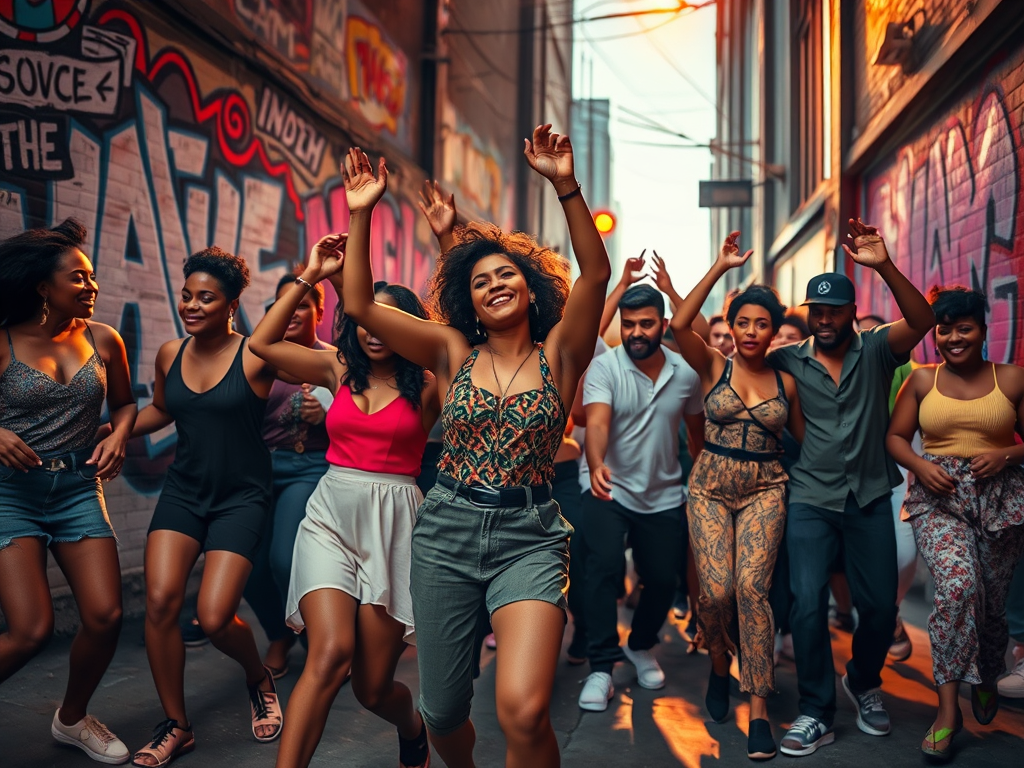
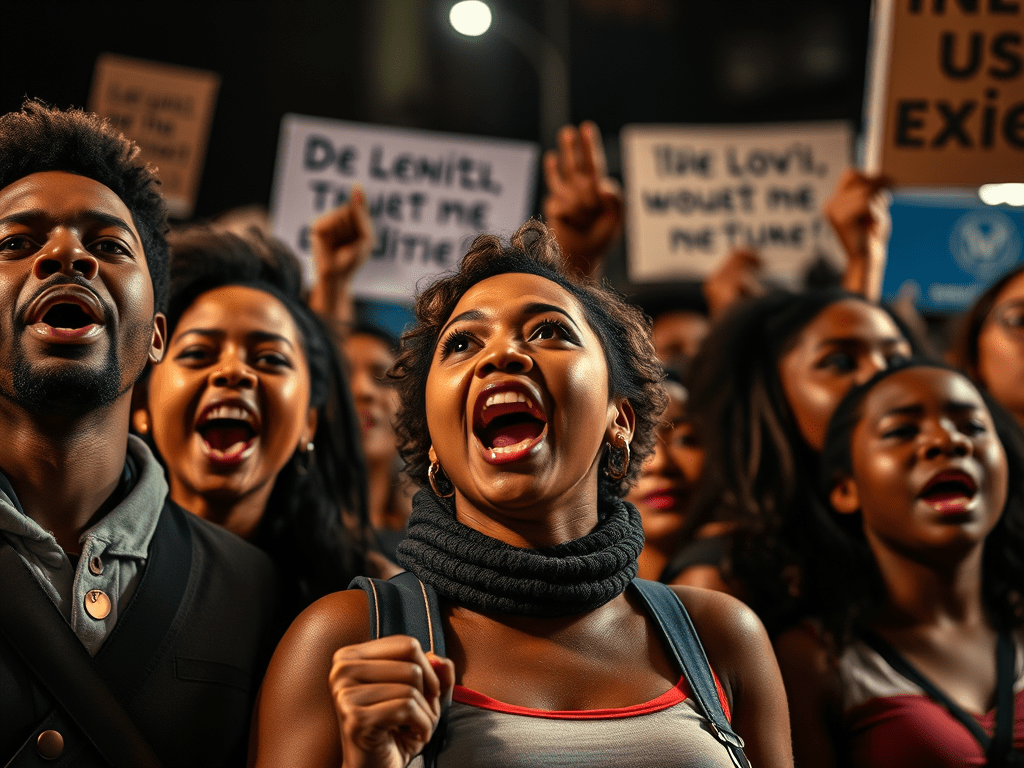
“Time to Dance” by Protyus A. Gendher [Glass Ceiling Records] arrives as a genre‑bending alarm bell — a track that refuses to sit quietly in any one lineage because the crisis it names refuses to stay in one lane. This 2:19 version fuses chopper rap precision, gangster rap grit, R&B ache, dubstep collapse‑and‑surge, and reggaeton’s rolling heartbeat, all carried by mixed voices that shift the song from a solo testimony into a communal declaration. The result is a soundscape that feels like a whole neighborhood, a whole generation, a whole movement stepping into the street at once. It’s a short track with the emotional density of a manifesto.
At its core, the song confronts a truth many people feel but rarely articulate: marginalized communities are consistently blamed for the conditions they’re forced to survive. The repeated refrain becomes both a warning and a wake‑up call — a refusal to wait for institutions that have never protected us, and a reminder that collective survival has always come from each other. The verses move through the realities of control, coercion, and systemic neglect, naming the ways power structures squeeze life out of people while insisting that the suffering is somehow their fault. It’s a song that doesn’t flinch from naming harm, but also doesn’t collapse under it.
The track’s emotional center is the tension between despair and defiance. The imagery of children left pleading for parents who will never return, or communities forced to kneel under the weight of fragile egos, is devastating — but the delivery is not defeated. Instead, the song channels that grief into momentum. The beat keeps moving, the voices keep rising, and the message becomes clear: if the systems built around us are designed to tame, silence, or erase us, then the act of standing up, speaking out, and dancing anyway becomes a form of resistance.
One of the most striking elements of this version is its historical through‑line. The song refuses to pretend that the violence of the present is new. It names the long, unbroken lineage of camps, containment, and state‑sanctioned cruelty that has shaped generations — and calls out the cultural gaslighting that encourages people to look away. By placing these truths inside a track that moves like a club anthem, the song forces listeners to confront the dissonance between the world we’re told we live in and the world many people actually experience. It’s a dance track built on the bones of history.
The mixed‑voice structure deepens the impact. The shift between vocal textures — rapid‑fire chopper bars, grounded gangster‑rap cadence, warm R&B phrasing, and the communal swell of layered voices — creates the feeling of a crowd gathering. It’s not one person shouting into the void; it’s a chorus of lived experience. The dubstep drops and reggaeton rhythms amplify that sense of collective movement, turning the track into something that feels ritualistic, almost ceremonial. It’s a call‑and‑response with the listener: Do you hear this? Do you feel this? Will you move with us?
Ultimately, “Time to Dance” is a survival anthem disguised as a banger. It’s a reminder that joy, movement, and community are not distractions from the fight — they are part of the fight. The song doesn’t offer false hope or easy answers. Instead, it offers clarity: nobody is coming to save us, but we have each other, and we have the power to rise, to resist, and to dance in the face of systems that want us still and silent. This version marks a new chapter in the Time to Dance series — sharper, louder, more global, and unmistakably alive.
Time to Dance by Protyus A. Gendher
Nobody's coming to save us
In every move they blame us
We're not the same us
Think of how we became us
Think of how we became us
Think of all the life that they squeeze while we're down on our knees, they're trying to tame us
Think of all the babies being left to plead "Mommy," buy she ain't coming back, Sweetie.
Think of all the fragile little egos, that wanna keep us on or toes, because it makes them "Alpha Bros," when they don't even come close

Nobody's coming to save us
In every move they blame us
Nobody's coming to save us
In every move they blame us

Nobody's coming to save us
In every move they blame us
We're not the same us
Think of how we became us
Think of how we became us
Think of how we've never not had concentration camps
But we act like we don't see it through their Gas Lamps
But I think you know this could be our last chance
It's time to dance, Mother fucker, time to dance

Nobody's coming to save us
In every move they blame us
Nobody's coming to save us
In every move they blame us

Nobody's coming to save us
In every move they blame us
We're not the same us
Think of how we became us
Think of how we became us
Think of all the life that they squeeze while we're down on our knees, they're trying to tame us
Think of all the babies being left to plead "Mommy," buy she ain't coming back, Sweetie.
Think of all the fragile little egos, that wanna keep us on or toes, because it makes them "Alpha Bros," when they don't even come close

Nobody's coming to save us
In every move they blame us
Nobody's coming to save us
In every move they blame us

Nobody's coming to save us
In every move they blame us
We're not the same us
Think of how we became us
Think of how we became us
Think of how we've never not had concentration camps
But we act like we don't see it through their Gas Lamps
But I think you know this could be our last chance
It's time to dance, Mother fucker, time to dance
Think of how we've never not had concentration camps
But we act like we don't see it through their Gas Lamps
But I think you know this could be our last chance
It's time to dance, Mother fucker, time to dance
Think of how we've never not had concentration camps
But we act like we don't see it through their Gas Lamps
But I think you know this could be our last chance
It's time to dance, Mother fucker, time to dance
Think of how we've never not had concentration camps
But we act like we don't see it through their Gas Lamps
But I think you know this could be our last chance
It's time to dance, Mother fucker, time to dance






















 Survivor Literacy
What do you think?