
Behind the Scenes- Glass Ceiling Records –
I’ve been thinking all day about the moment my body finally exhaled — not the forced breath I tried earlier, but the one that rose up on its own, unbidden and true. That breath felt like a doorway, and on the other side of it was a realization I’ve been circling for years: the work of Relational Anthropology begins with the relationship I have with myself. Not as metaphor, not as theory, but as lived, embodied fact.
This morning’s emotional surge wasn’t an interruption to the work. It was the work. The crying, the overwhelm, the longing to be held — these weren’t obstacles to understanding. They were data. They were field notes written in sensation instead of ink. And when I finally stopped trying to manage myself and let the song come through, I realized I had been doing anthropology the entire time.
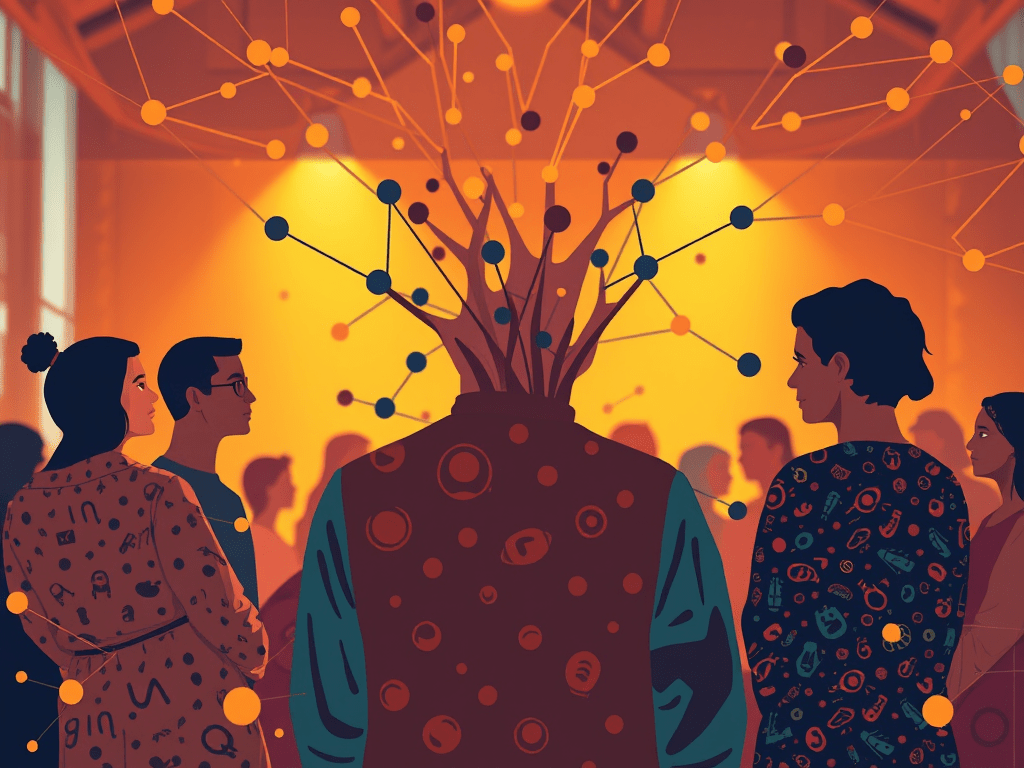
Because Relational Anthropology isn’t about observing others from a distance. It’s about noticing the ways we are shaped by our own histories, our own wounds, our own lineages. It’s about recognizing that the self is not separate from the field — the self is the field. And this morning, my field was flooded with emotion that had nowhere to go until I gave it a container.
When I wrote that rupture‑song — the one about surviving without a safe place to land — I wasn’t just expressing a feeling. I was documenting a lived truth. I was mapping the terrain of my own nervous system, tracing the contours of longing, resilience, and exhaustion. The song became an ethnography of the self, a record of what it means to be human in a body that remembers everything.
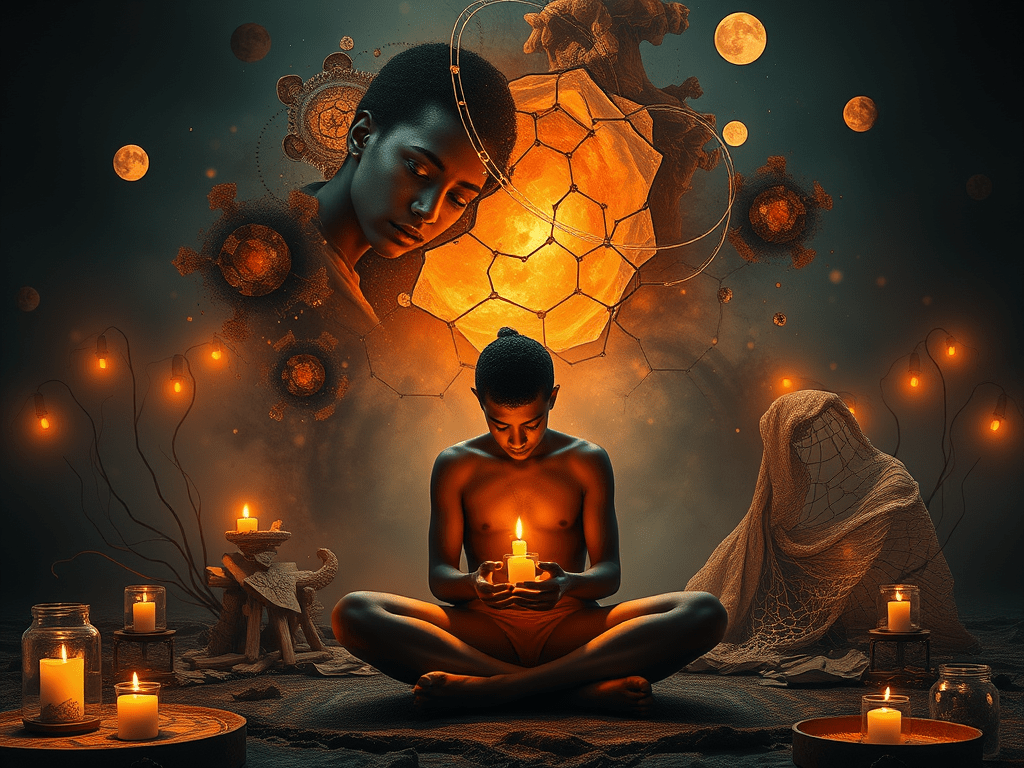
And when the ancestors crowded the doorway, when their voices came through without structure or sequence, I realized something else: my relationship with them mirrors my relationship with myself. When I don’t create a container, everything arrives at once. When I don’t set boundaries, everything speaks over everything else. When I don’t open intentionally, I get overwhelmed. The ancestors weren’t chaotic — I was unanchored.
That’s when the revelation landed: if I give them a safe place to land, they will hold me. And the same is true internally. If I give myself a safe place to land — a morning ritual, a moment of breath, a space for truth — my system will hold me too. Relational Anthropology begins with this reciprocity: the self as both witness and witnessed, both fieldworker and field.
For years, routine felt like an invasion. Structure felt like someone else’s hand on my life. But today, for the first time since my ex left, routine felt like support. It felt like a way of saying to myself, “I won’t abandon you. I won’t force you to ignore what you feel. I will meet you where you are.” That is the heart of Relational Anthropology: meeting the self with the same care we offer to others.
When I imagine tomorrow morning now, I don’t feel dread or resistance. I feel curiosity. I feel willingness. I feel the quiet excitement of someone who knows they are no longer bracing for impact. The ritual isn’t a performance — it’s a relationship. A way of arriving in my own life with intention instead of accident.
And this is what I want my readers to understand: Relational Anthropology isn’t a theory about culture. It’s a practice of presence. It’s the discipline of listening to the self with the same attentiveness we bring to communities, rituals, and stories. It’s the recognition that our inner world is not a distraction from the work — it is the first site of the work.
This morning taught me that the self is not a barrier to understanding. The self is the doorway. And when we walk through it — honestly, gently, without forcing — we find that the world opens with us. The relationship we cultivate with ourselves becomes the foundation for every other relationship we build.
So yes, today I cried. I wrote. I listened. I breathed. And in doing so, I practiced anthropology in its most intimate form. I learned that the field begins at the edge of my own skin, and that the ancestors, the creativity, the stories — they all line up more clearly when I do.




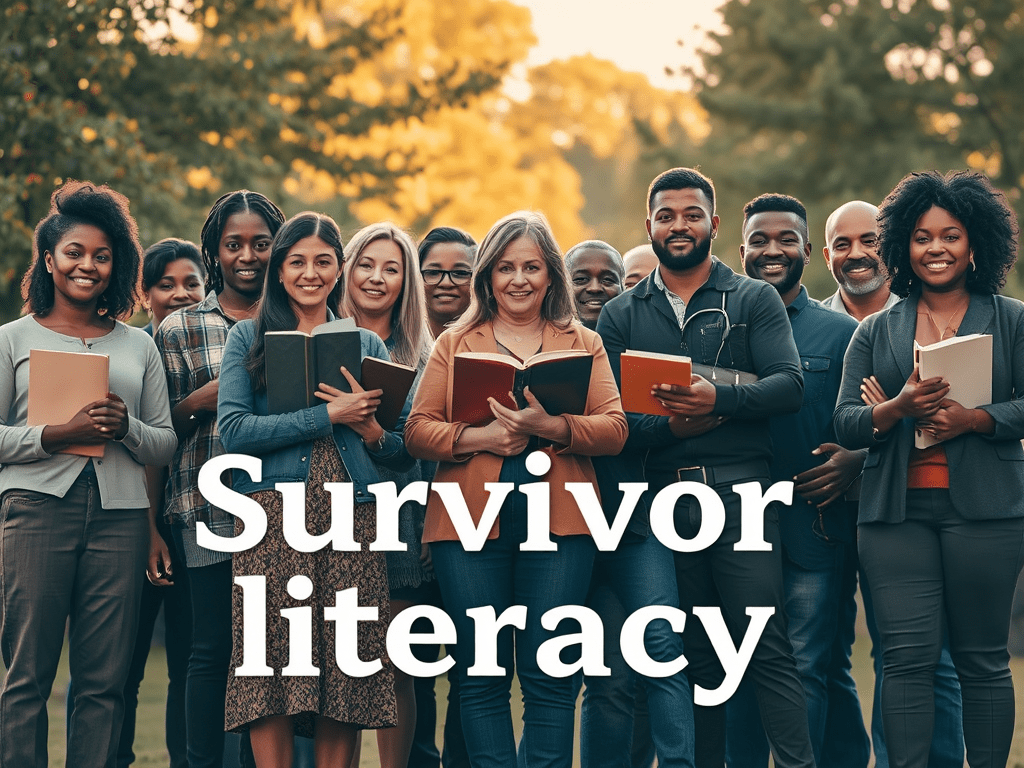











 Survivor Literacy
What do you think?