Chapter Three
Chapter 3 — When the Ancestors Crowd the Doorway
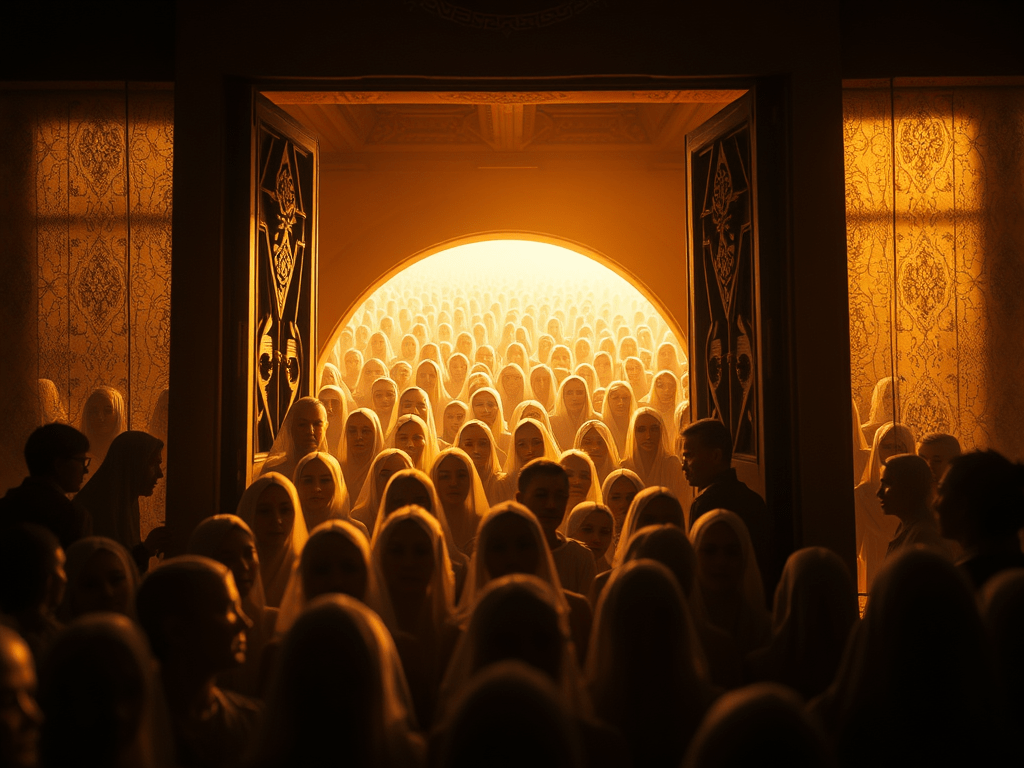
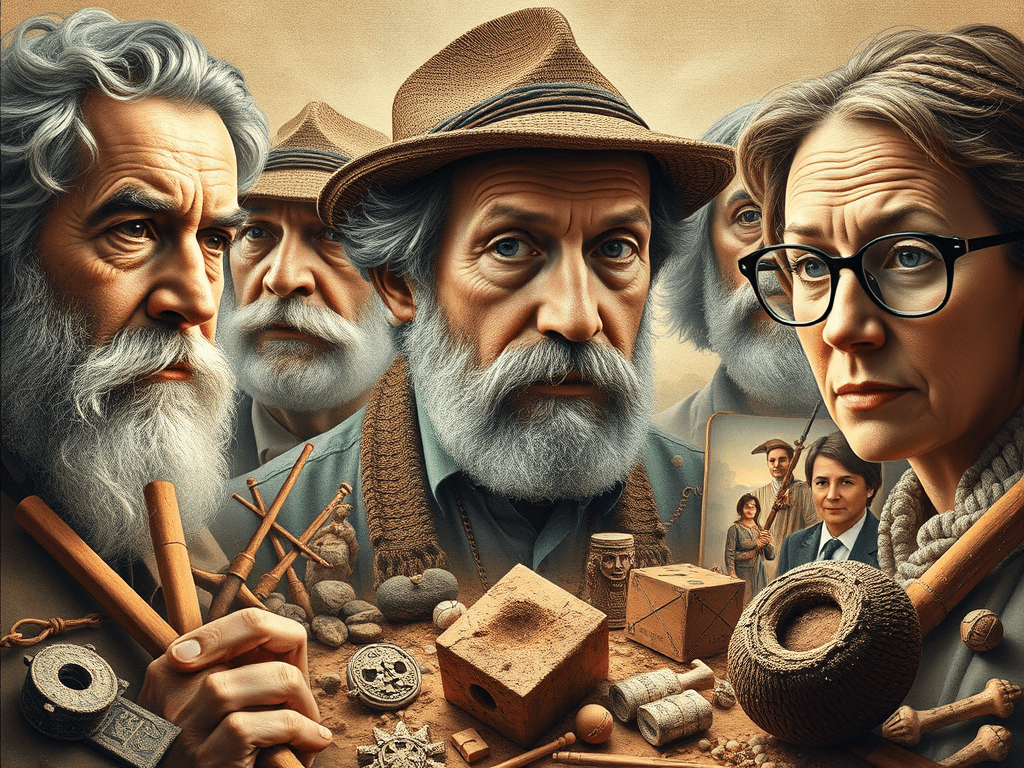
There was a moment, right after the breath settled, when the room felt too full. Not emotionally — literally. As if something unseen had stepped closer. As if the air had thickened with presence. The ancestors had arrived, but without structure. Not in a ceremonial way, not in a guided way, not in the way I’ve learned to invite them. They came like a crowd pressing against a doorway, eager, unsequenced, uncontained.
And my body felt it before my mind did.
A buzzing.
A pressure.
A sense of being watched, not in fear, but in urgency.
This was the third revelation of the morning:
unstructured presence overwhelms the system.
It wasn’t that the ancestors were chaotic.
It was that I had not created a container for them.
And without a container, even blessing feels like intrusion.
I laughed — actually laughed — when I realized what was happening.
“Could you all form a single‑file line?” I asked out loud, half joking, half pleading.
And the relief was immediate.
Not because they obeyed, but because I had finally acknowledged the truth of the moment.
This is the part anthropology has never known how to hold:
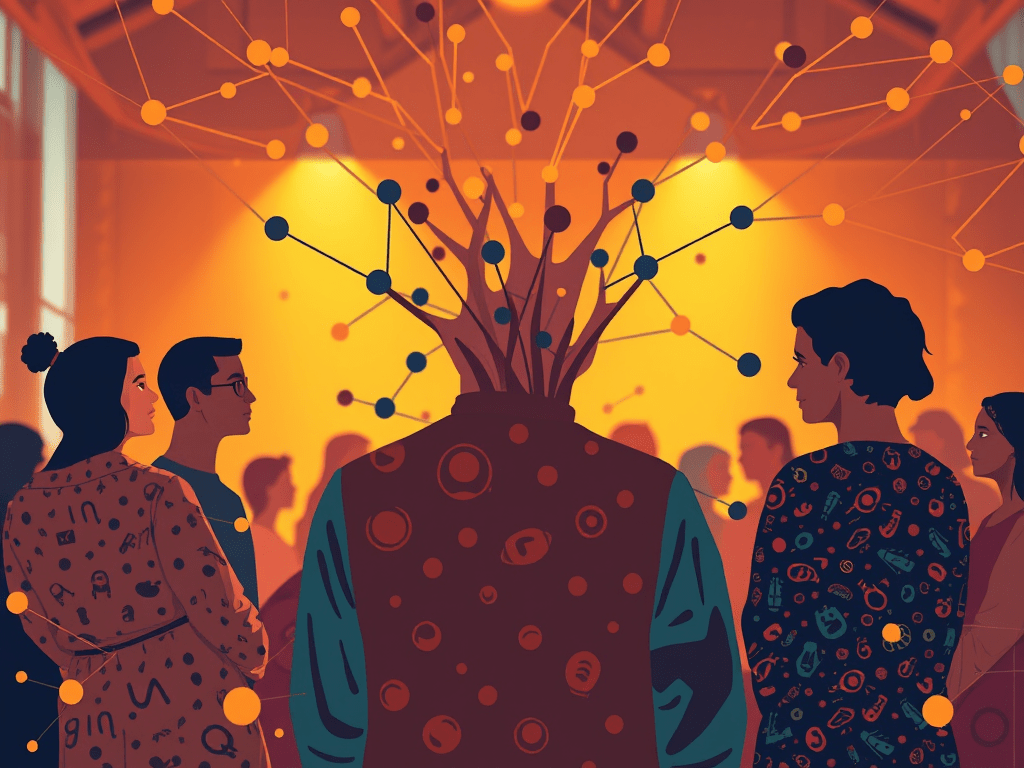
the internal world has visitors.
Memory, lineage, intuition, sensation, emotion — they arrive like guests, not data points.
And without ritual structure, they overwhelm.
This is where the reader begins to feel the shift — the sense that what I’m describing isn’t just personal, but methodological. That this moment is pointing toward something larger, something the discipline has been circling for decades without naming.
Because here’s the quiet truth:
every anthropologist has felt this.
Not the ancestors, necessarily — but the crowding.
The too‑muchness.
The sense that their own internal world is trying to speak while they’re busy pretending to be neutral.
This is the missing hub.
The thing that made so many thesis proposals feel discordant.
The reason students struggled to articulate what they knew but couldn’t justify.
The reason faculty sensed depth but couldn’t name the method behind it.
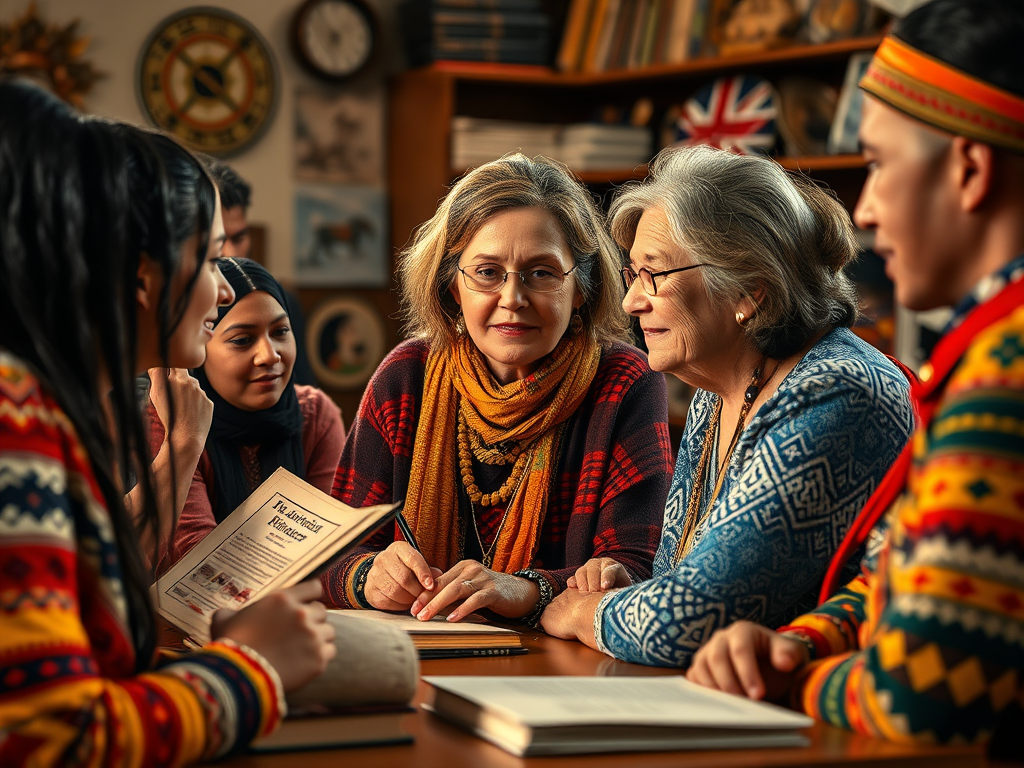
Anthropology has always had four fields.
But the fifth field — the one that connects them — has been missing.
The self.
The internal world.
The embodied field site.
When the ancestors crowded the doorway, they weren’t interrupting my morning.
They were revealing the architecture:
that without a container, without a ritual frame, without an ethos, the internal world becomes noise instead of knowledge.
And that’s the moment Relational Anthropology begins to take shape — not as a theory, but as a necessity.
A way of saying:
“There is a method for this.
There is a structure for this.
There is a field here, and it has been waiting to be named.”
The next chapter will explore what happens when routine stops feeling like control and starts feeling like support — the moment the practitioner steps into the phase shift.





















 Survivor Literacy
What do you think?