
Chapter Seventeen C
Chapter 17C — Relational Anthropology and Education
Education is often framed as the transfer of knowledge from one person to another — a transactional model built on performance, assessment, and compliance. But beneath the surface, learning is a relational process. It depends on trust, resonance, curiosity, safety, and the internal world of the learner.
This was the seventeenth‑point‑three revelation:
learning is not the absorption of information — it is the transformation of relationship.
A relationship with:
- knowledge
- self
- lineage
- community
- possibility
- power
- truth
When Relational Anthropology enters education, the entire system reorganizes.
🎒 The Classroom as a Relational Field
Traditional education assumes:
- the teacher knows
- the student receives
- the curriculum dictates
- the assessment measures
- the system sorts
This is transactional logic.
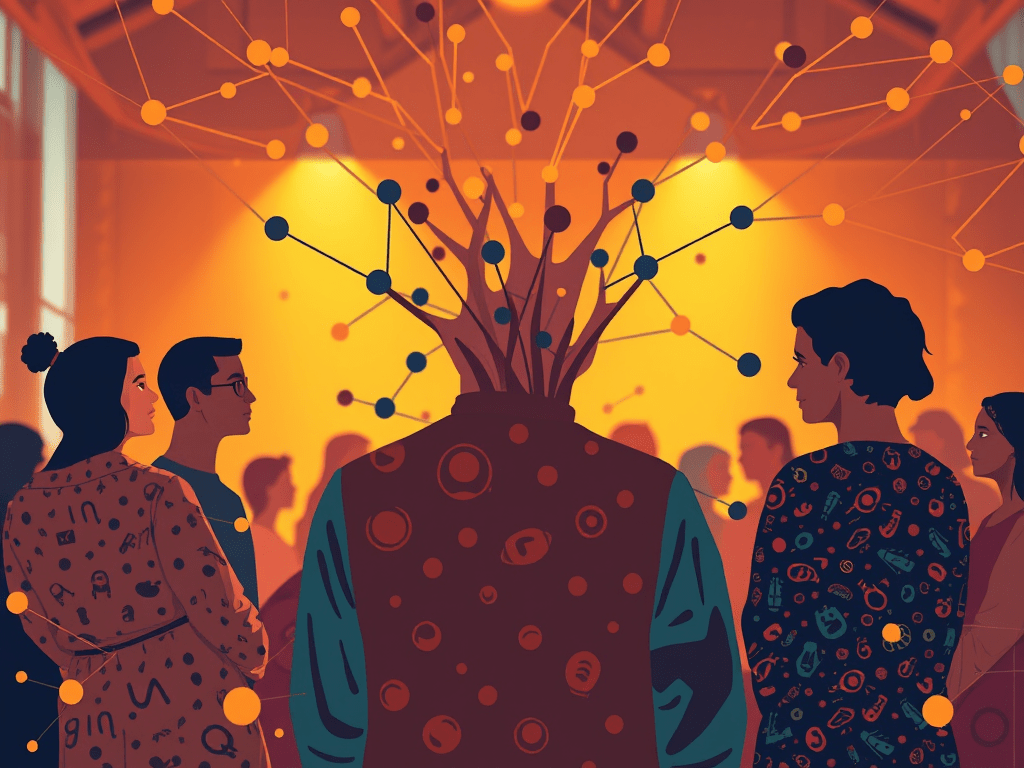
Relational Anthropology reframes the classroom:
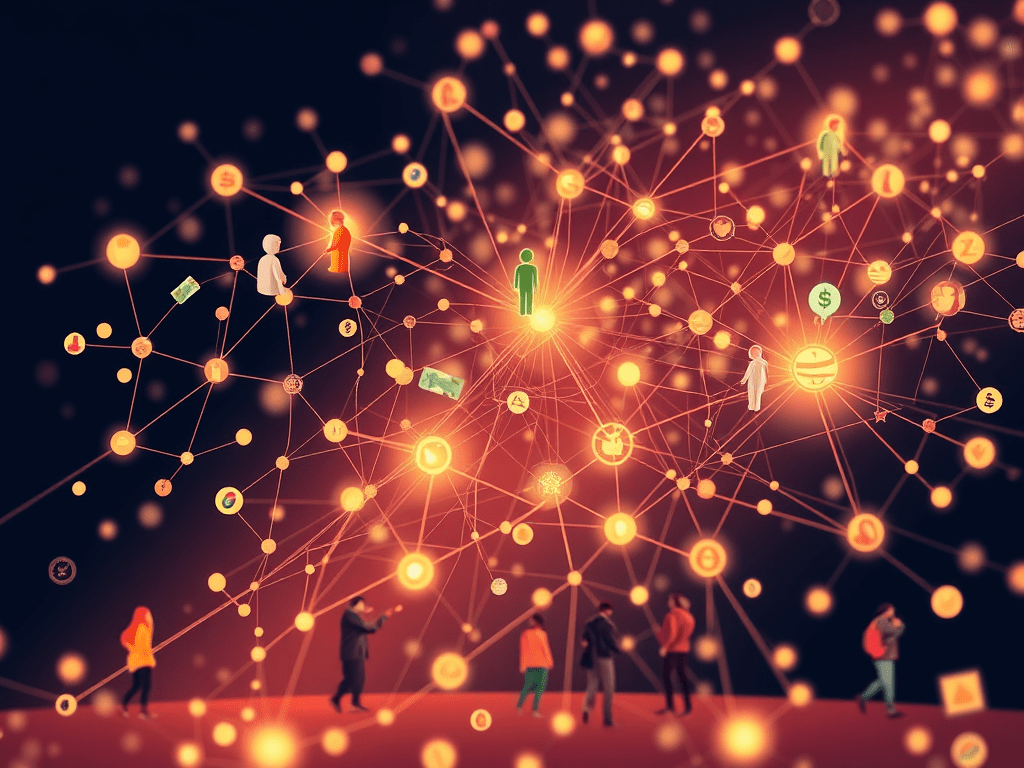
- the teacher is a relational node
- the student is a field site
- the curriculum is a lineage
- the assessment is a feedback loop
- the system is an ecosystem
This shift is seismic.
Because once the classroom becomes a relational field, the goal is no longer compliance — it is coherence.
🌱 Learning as Spiral, Not Ladder
Transactional education imagines learning as a ladder:
- step 1
- step 2
- step 3
- mastery
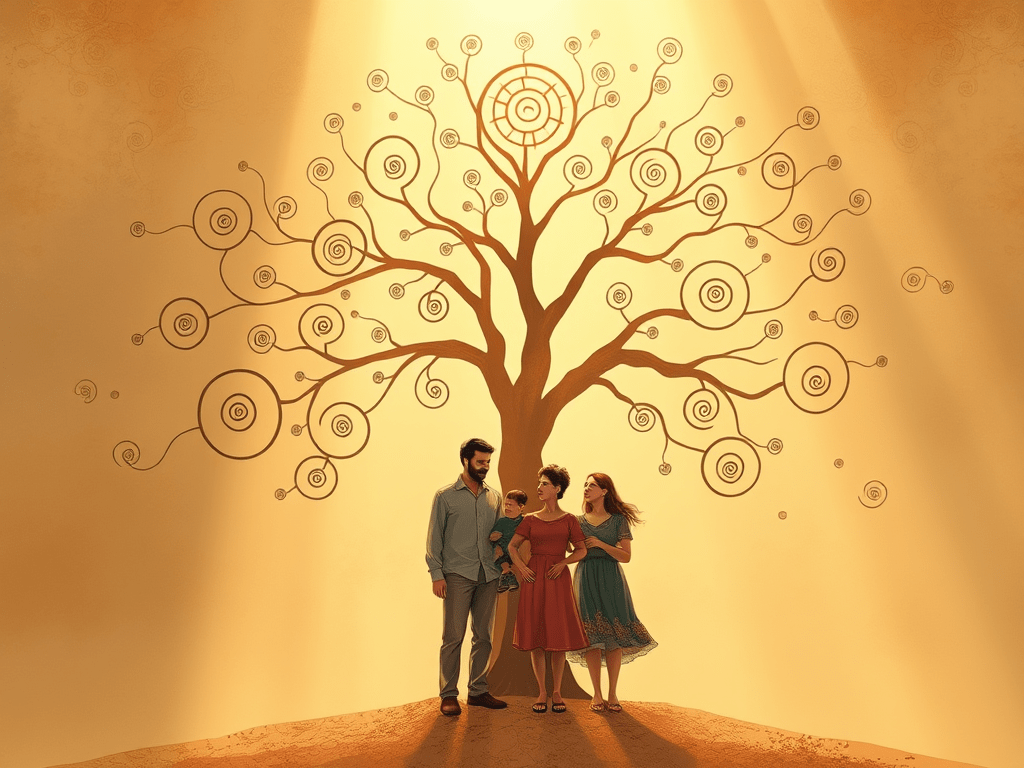
But real learning is a spiral:
- return
- deepen
- revise
- integrate
- transform
This is why students revisit the same concept and suddenly “get it.”
It’s not repetition — it’s spiral alignment.
Relational Anthropology gives teachers a language for this:
- confusion is not failure
- contradiction is not error
- emotion is not distraction
- lineage is not irrelevant
- curiosity is not chaos
These are signals in the relational field.
🧠 The Internal World as Curriculum
Every student brings:
- parallility
- lineage
- emotional truth
- contradictions
- survival strategies
- internal narratives
- inherited stories
Traditional education ignores this.
Relational Anthropology centers it.
Because learning cannot occur when the internal world is incoherent.
A student cannot absorb truth while suppressing their own.
A classroom cannot stabilize if the relational field is fractured.
This is why relational pedagogy is not soft — it is rigorous.
It demands honesty.
It demands presence.
It demands coherence.
🔥 The Teacher as Relational Practitioner
A relational educator is not a performer or authority figure.
They are a stabilizing force in the field.
They model:
- honesty
- clarity
- sovereignty
- curiosity
- self‑correction
- relational integrity
They do not demand trust — they generate it.
They do not demand compliance — they cultivate engagement.
They do not demand silence — they create safety.
This is the opposite of cult logic.
It is the architecture of healthy learning.
🌍 Education as a System That Learns
When Relational Anthropology meets education, the system itself becomes a learner.
It begins to ask:
- What patterns are emerging?
- Where is the relational field unstable?
- What truths are being suppressed?
- What contradictions are students carrying?
- What feedback loops are harmful?
- What narratives need revision?
This is systems theory in motion.
This is pedagogy with a nervous system.
This is education that can evolve.
🌈 What Becomes Possible
Relational education produces:
- students who can think, not just perform
- teachers who can guide, not just instruct
- classrooms that can hold complexity
- learning that is embodied, not memorized
- knowledge that is lived, not recited
- communities that are coherent, not compliant
This chapter marks the moment the reader understands that education is not broken — it is misaligned.
And Relational Anthropology is the alignment tool.





















 Survivor Literacy
What do you think?