Chapter Seventeen G
Chapter 17G — Relational Anthropology and the Family
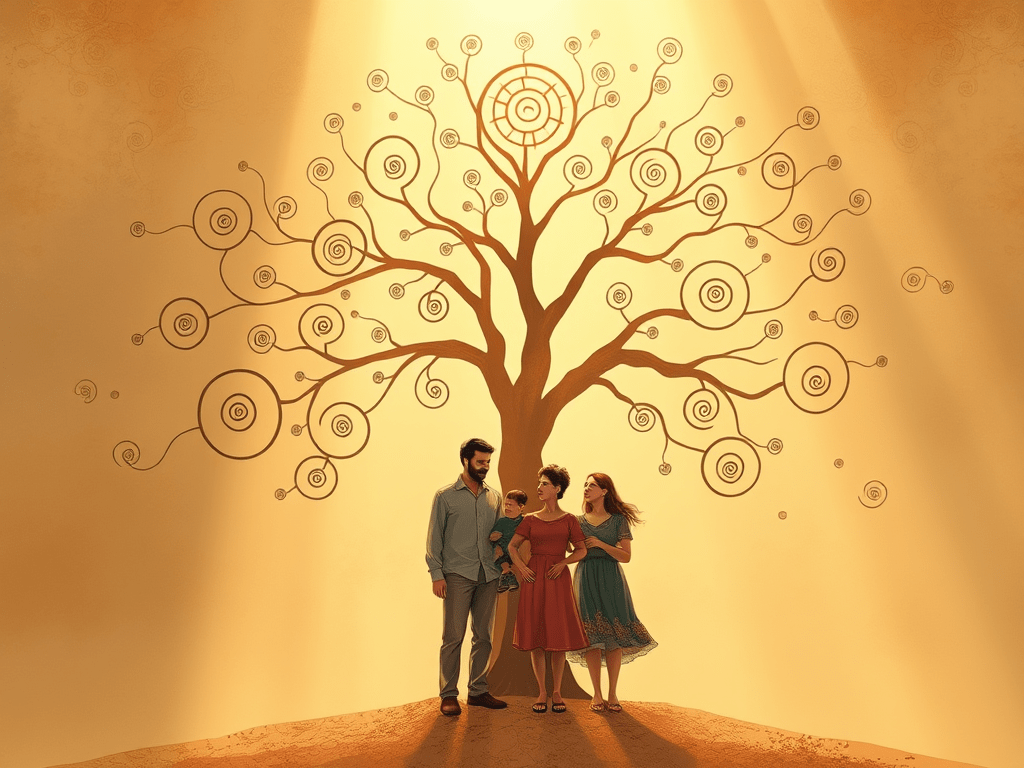
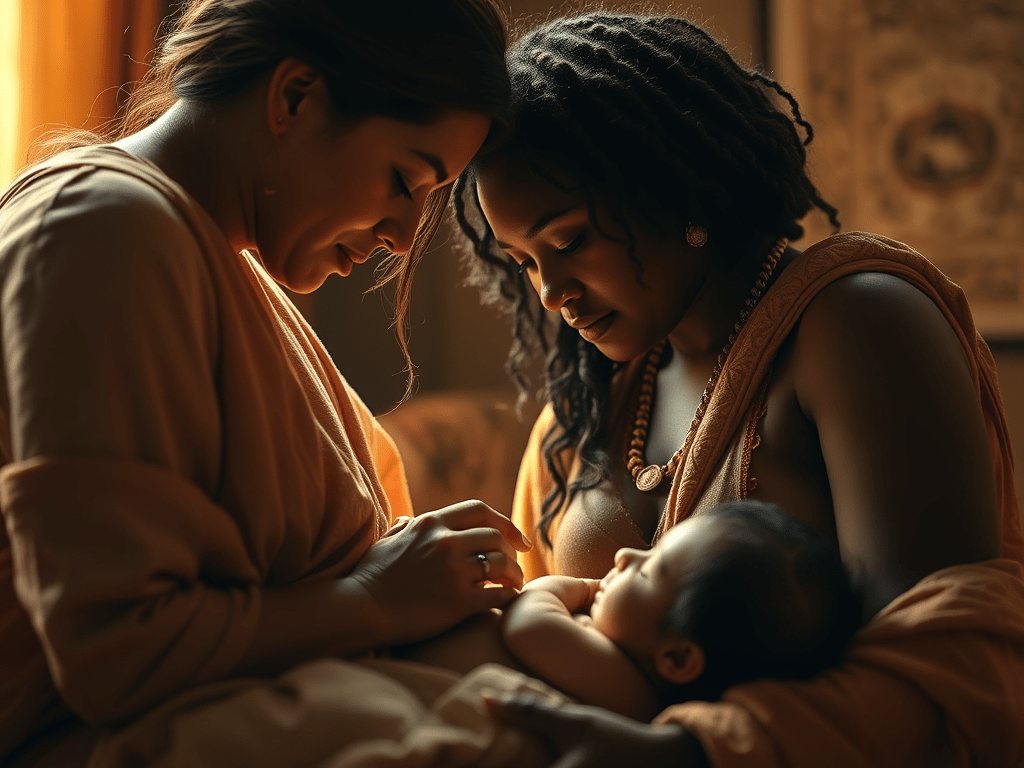
Family is the first field site.
Not because it is the most important, but because it is the first relational system any human encounters. It is where patterns form, where narratives take root, where emotional truths are inherited, where contradictions are absorbed, where lineage becomes lived.
This was the seventeenth‑point‑seven revelation:
family is the original relational ecosystem.
Not a static unit.
Not a nuclear ideal.
Not a moral category.
A system.
A system shaped by:
- lineage
- memory
- trauma
- joy
- survival strategies
- cultural scripts
- emotional feedback loops
- inherited stories
- unspoken rules
- parallel truths
Family is not a place — it is a relational field.
🧬 Lineage as Living Architecture
Every family carries:
- unresolved stories
- inherited fears
- generational strengths
- cultural rhythms
- emotional patterns
- survival logics
- unspoken agreements
These are not abstract concepts — they are embodied.
Relational Anthropology names this clearly:
lineage is not history; lineage is present tense.
It lives in:
- tone
- posture
- silence
- conflict
- tenderness
- avoidance
- ritual
- repetition
Family is where parallility becomes visible in real time.
🔄 The Spiral in Family Systems
Families often appear circular:
- the same arguments
- the same roles
- the same wounds
- the same dynamics
But these are not circles — they are spirals that have been interrupted.
A family spiral becomes circular when:
- honesty is unsafe
- contradiction is punished
- lineage is denied
- emotional truth is suppressed
- survival strategies override connection
Relational Anthropology reopens the spiral.
It allows:
- new truths
- new roles
- new boundaries
- new narratives
- new forms of care
- new forms of repair
The spiral is how families evolve.
💛 Honesty as Relational Repair
In family systems, honesty is not confession — it is calibration.
Honesty says:
- “This is my truth.”
- “This is my limit.”
- “This is my lineage speaking.”
- “This is my fear, not your failure.”
- “This is the pattern I’m interrupting.”
Honesty stabilizes the relational field.
Dishonesty destabilizes it.
This is why family healing is not about forgiveness or reconciliation — it is about coherence.
🌱 Sovereignty in the Family Field
Relational Anthropology protects against enmeshment and collapse.
Sovereignty says:
- I am in relationship, but I am not consumed by it.
- I carry lineage, but I am not defined by it.
- I love you, but I do not disappear inside you.
- I can stay connected without abandoning myself.
This is the anti‑cult ethos applied to the most intimate system of all.
🌈 Family as a Site of Regeneration
When the relational field stabilizes, families become:
- creative
- resilient
- adaptive
- emotionally literate
- lineage‑aware
- future‑oriented
Children raised in relational systems develop:
- plural cognition
- emotional clarity
- boundary fluency
- lineage awareness
- relational intelligence
This is not idealism — it is systems logic.
Healthy relational fields produce healthy relational beings.
🌌 What Becomes Possible
When Relational Anthropology enters the family system, new questions emerge:
- What patterns am I carrying that are not mine?
- What truths were unsafe to name in previous generations?
- What emotional feedback loops shape our dynamics?
- What contradictions need to be acknowledged?
- What lineage needs to be honored or released?
- What boundaries create coherence rather than distance?
- What new relational possibilities can emerge?
Family becomes not a fixed identity, but a living ecosystem.
This chapter marks the moment the reader understands that family is not destiny — it is a relational field that can be transformed, repaired, and re‑spiraled.

























 Survivor Literacy
What do you think?