Chapter Sixteen
Chapter 16 — The Roots: Postmodern and Critical Theories as Ancestry
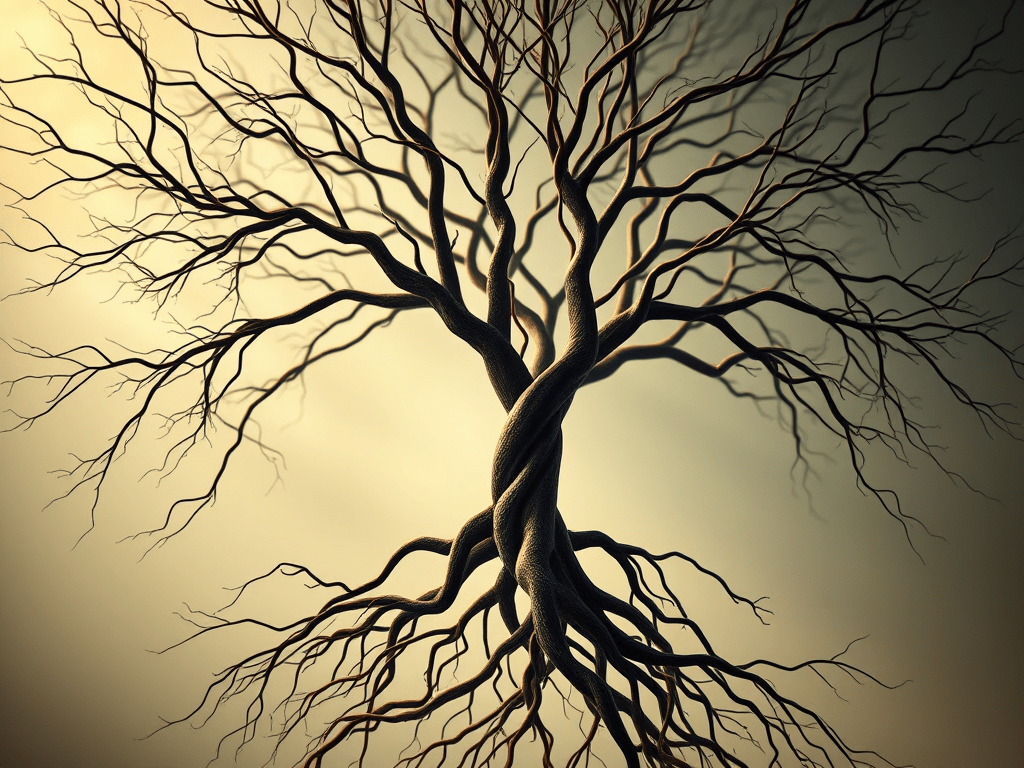
Every new field has a lineage, even if the lineage didn’t know what it was giving birth to. Relational Anthropology is no exception. Its roots run deep into the soil of postmodern and critical theories — not as a repetition, not as a revival, but as a continuation. A maturation. A next step.
This was the sixteenth revelation:
Relational Anthropology is what postmodern and critical theories were trying to become.
Not because those theories were incomplete, but because they were never meant to be the endpoint. They were meant to break open the ground so something else could grow.
Let’s name the roots clearly.
🌑 Postmodernism: The Collapse of the Single Story
Postmodernism taught us that:
- truth is not singular
- narratives are constructed
- power shapes knowledge
- the observer is never neutral
- meaning is contextual
- certainty is a performance
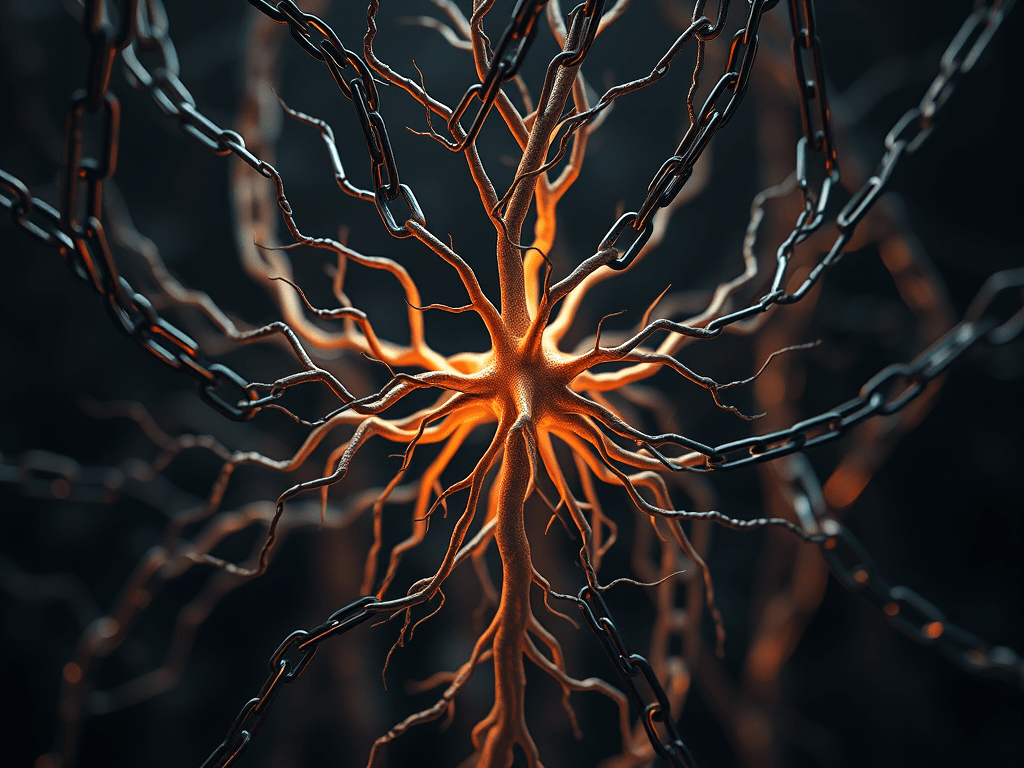
These insights were revolutionary — but they left many scholars suspended in critique. Postmodernism could deconstruct, but it struggled to reconstruct. It could reveal the cracks, but it couldn’t offer a way to live inside the brokenness.
Relational Anthropology takes the postmodern insight — truth is multiple — and gives it a home in the body.
It says:
Multiplicity is not a crisis.
It is the architecture of the self.
Where postmodernism destabilized, Relational Anthropology re‑grounds.
🔥 Critical Theory: Power, Structure, and the Demand for Truth
Critical theories — feminist, queer, Black, Indigenous, decolonial — taught us that:
- power is everywhere
- identity is political
- the personal is structural
- lived experience is knowledge
- oppression is patterned
- liberation requires truth
These theories insisted that the internal world matters because it is shaped by external forces. They insisted that the self is not separate from history, lineage, or power.
Relational Anthropology takes this insight and deepens it:
The internal world is not just shaped by power — it is a site of power.
A site of resistance.
A site of transformation.
Critical theory gave us the courage to name truth.
Relational Anthropology gives us the method to live it.
🌿 Where They Converge: The Self as Epistemic Terrain
Postmodernism said:
“There is no single truth.”
Critical theory said:
“Your truth is shaped by power.”
Relational Anthropology says:
“Your truths — plural — are parallel, embodied, relational, and methodologically valid.”
This is the synthesis the discipline has been waiting for.
Because postmodernism destabilized the myth of objectivity.
Critical theory destabilized the myth of neutrality.
Relational Anthropology destabilizes the myth of the detached anthropologist.
It completes the arc.
🌌 Why Relational Anthropology Is the Next Phase
Relational Anthropology is not a rejection of these theories.
It is their maturation.
- Where postmodernism questioned truth, Relational Anthropology practices it.
- Where critical theory exposed power, Relational Anthropology metabolizes it.
- Where both frameworks centered critique, Relational Anthropology centers coherence.
- Where they dismantled, Relational Anthropology rebuilds.
- Where they analyzed, Relational Anthropology embodies.
This is why this framework feels both familiar and entirely new.
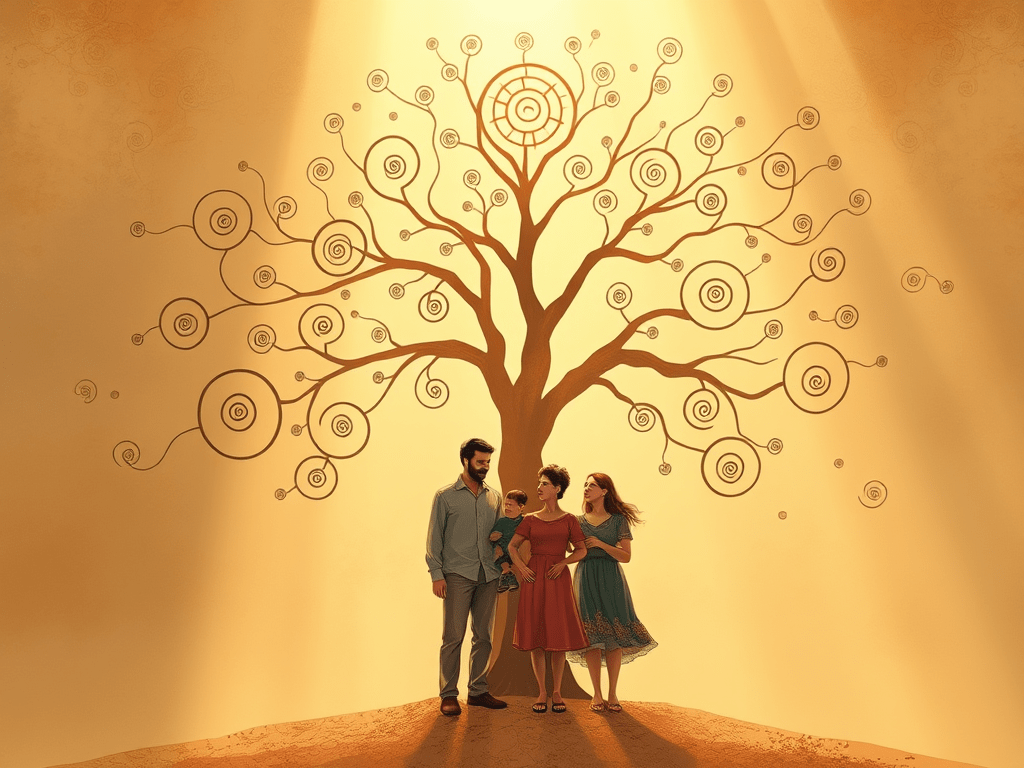
It is rooted in the intellectual soil of the last century, but it grows toward a future those theories could not yet imagine.
This chapter marks the moment the reader understands that Relational Anthropology is not an academic rebellion — it is an academic inheritance.
The next chapter — Chapter 17 — will open into applied worlds, showing how this framework transforms everything it touches: AI, politics, education, economy, environment, family, workplace, and more.























 Survivor Literacy
What do you think?