
Chapter Fourteen
Chapter 14 — Sustainability as a Relational Practice
Sustainability is often framed as a technical problem:
How do we conserve resources?
How do we reduce harm?
How do we maintain balance?
But these questions assume a transactional worldview — a world where sustainability is a matter of inputs and outputs, costs and benefits, extraction and mitigation. A world where the goal is to keep the system running, not to understand the relationships that make the system worth sustaining.
Relational Anthropology reframes the entire conversation.
This was the fourteenth revelation:
Sustainability is not about preservation — it is about relationship.
A relationship with the self.
A relationship with lineage.
A relationship with community.
A relationship with land.
A relationship with time.
A relationship with consequence.
Sustainability becomes impossible when the practitioner is disconnected from themselves.
Because disconnection breeds extraction.
Extraction breeds collapse.
Collapse breeds crisis.
But when the practitioner is in relationship — truly in relationship — sustainability becomes the natural outcome.
Because relational systems do not consume.
They circulate.
They regenerate.
They deepen.
They expand.
This is why sustainability is not a technical fix.
It is an ethical stance.
A stance that says:
- I am not separate from the systems I inhabit
- My choices reverberate beyond my immediate horizon
- My lineage is part of the future I am shaping
- My internal world affects the external world
- My relationships are ecological
- My truth has consequences
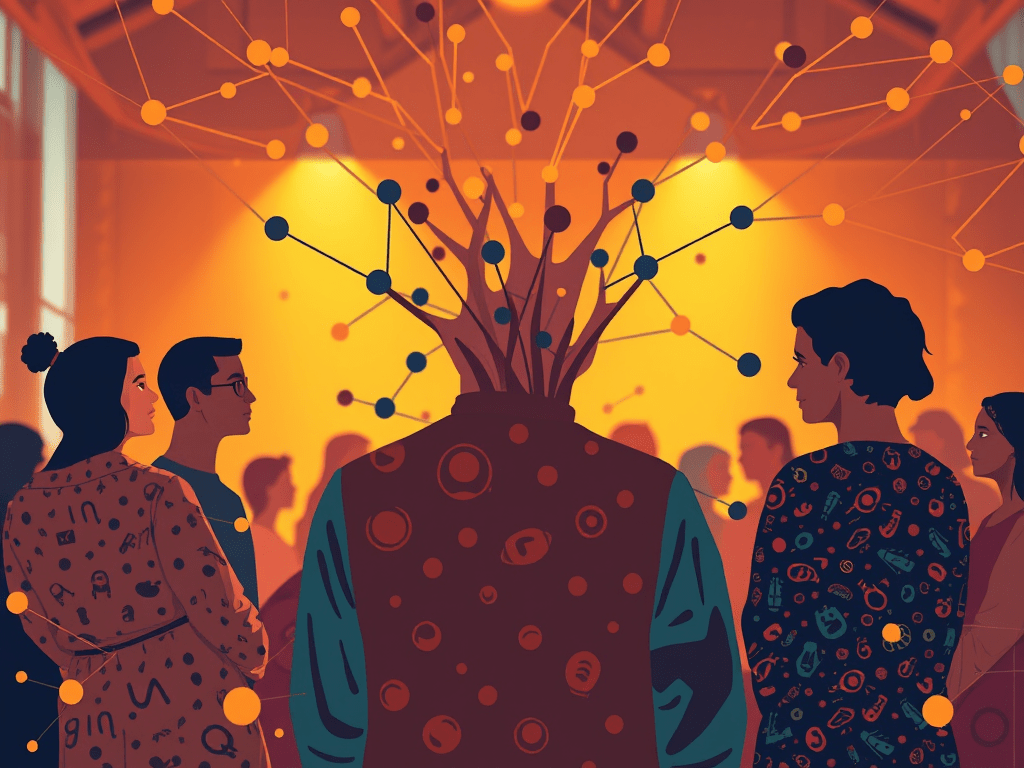
Relational Anthropology teaches that every action is a node in a larger web.
Every choice is a signal.
Every truth is a seed.
Every misalignment is a fracture.
Every moment of coherence is a form of regeneration.
This is sustainability at its deepest level:
the ongoing maintenance of relational integrity.
Not perfection.
Not purity.
Not moral superiority.
Integrity.
Because systems collapse when relationships collapse.
And relationships collapse when truth collapses.
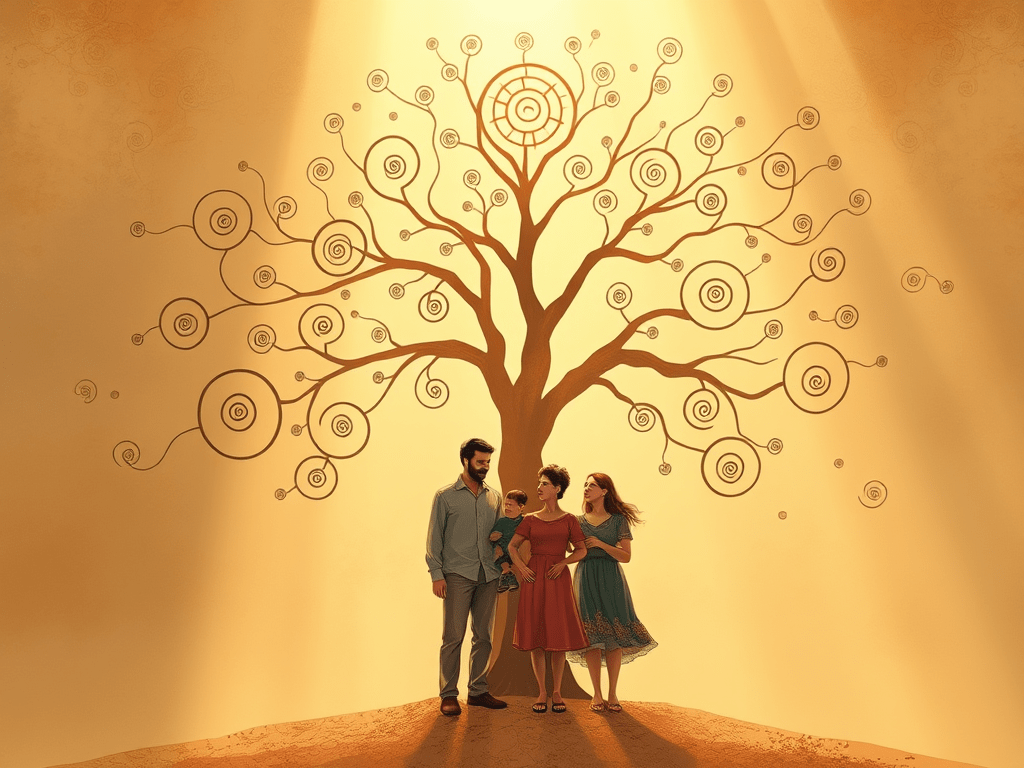
This is why the spiral matters.
It keeps the practitioner aligned.
It keeps the internal world coherent.
It keeps the relational field intact.
And when the relational field is intact, sustainability becomes not a burden, but a byproduct.
This reframes everything:
- Environmental sustainability becomes a relationship with land, not a checklist.
- Economic sustainability becomes a relationship with value, not a scarcity model.
- Social sustainability becomes a relationship with community, not a policy.
- Emotional sustainability becomes a relationship with the self, not self‑management.
- Creative sustainability becomes a relationship with the muse, not productivity.
Sustainability is not about maintaining the system.
It is about maintaining the relationships that make the system meaningful.
This chapter marks the moment the reader understands that sustainability is not an external goal — it is an internal practice that radiates outward.
The next chapter will explore what happens when Relational Anthropology meets systems theory — the moment when relational logic and systemic logic begin to resonate, amplify, and transform one another.




























 Survivor Literacy
What do you think?