
From Self as Disease to Self as Medicine: A Quiet Revolution in How We Understand Ourselves
Something interesting happens when you start paying attention to the frameworks you’ve inherited. You begin to notice the assumptions baked into them — the quiet logics, the invisible defaults, the ways of seeing that shape entire disciplines without ever being named. And lately, a particular shift has been emerging in this work: a movement away from treating the self as a site of disease and toward understanding the self as a site of medicine. It’s subtle, but once you see it, you can’t unsee it.
For over a century, psychology has been organized around the idea that the self is fundamentally flawed. That symptoms are signs of pathology. That distress is evidence of disorder. That the individual is the problem to be diagnosed, categorized, and corrected. This isn’t a moral judgment — it’s simply the architecture Freud built. And whether or not we ever resonated with his theories, we’ve all lived inside the world they created.
But what if that architecture was never quite right? What if the discomfort so many people feel around diagnostic language isn’t resistance, but accuracy? What if the “some kinda way” you’ve always felt about Freud wasn’t personal taste, but the early signal of a worldview that doesn’t fit the shape of your lived experience?
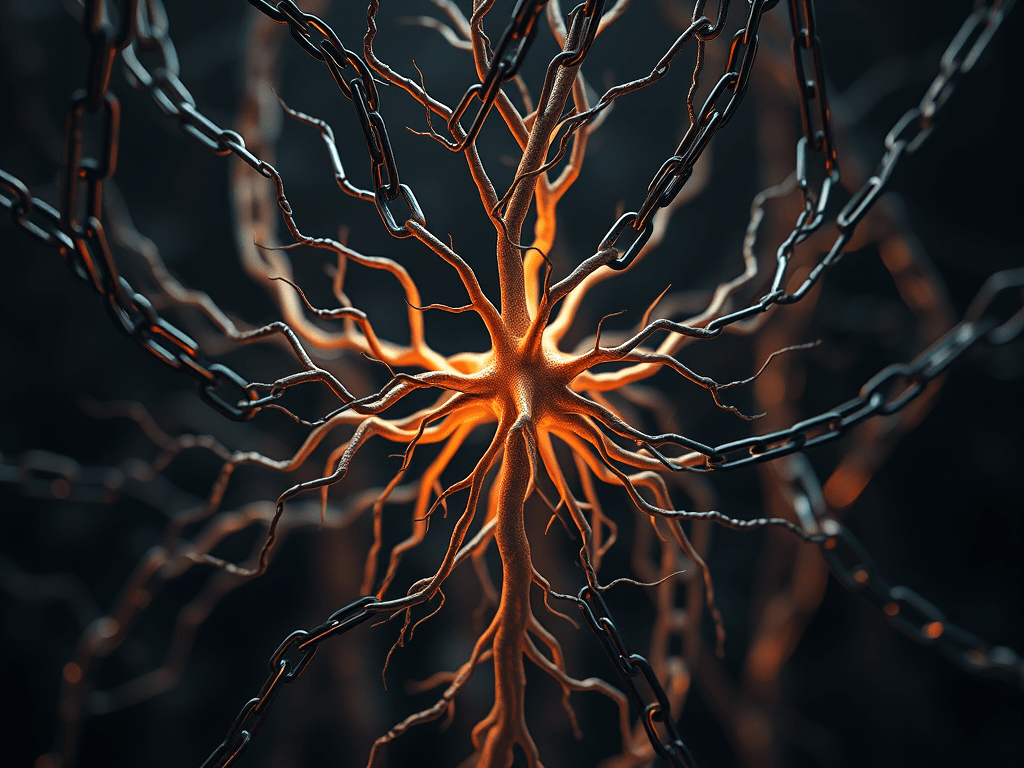
When you start to look at the self through a relational lens, something shifts. Symptoms stop looking like malfunctions and start looking like adaptations. Patterns stop looking like defects and start looking like survival strategies. Emotional responses stop looking like disorders and start looking like the body’s attempt to stay coherent in the face of relational rupture. Suddenly the self isn’t a battlefield of drives — it’s an ecosystem responding to its environment.
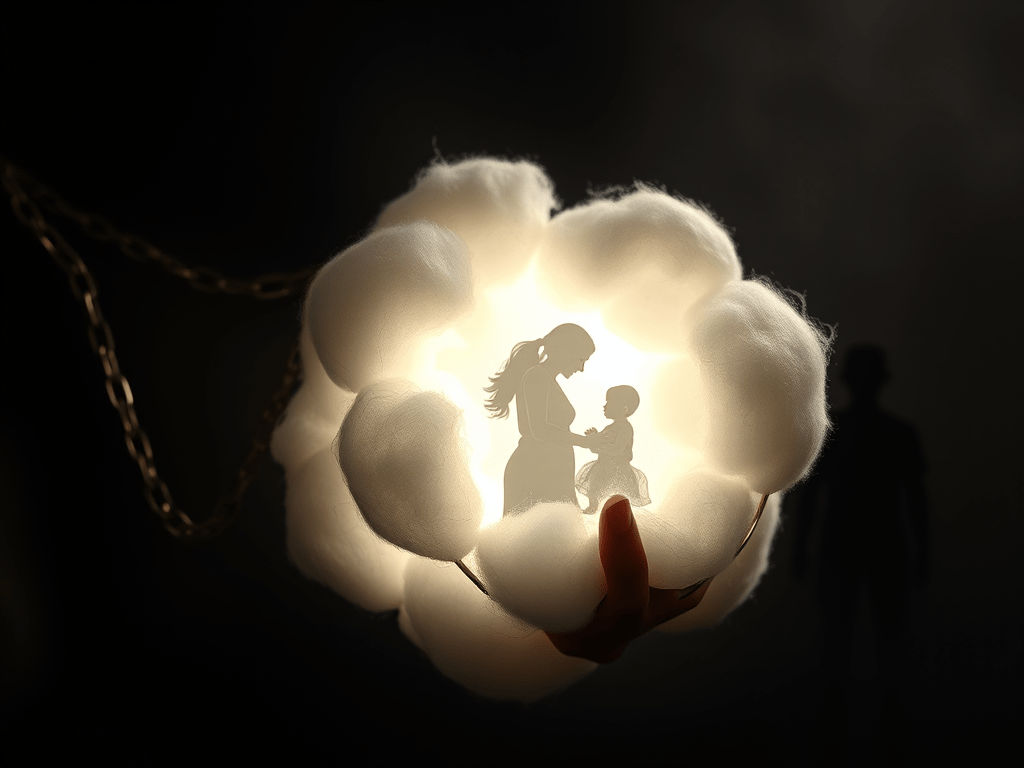
And that’s where the idea of “self as medicine” begins to take shape. Not as a slogan, not as a metaphor, but as a genuine reframing of what healing actually is. If harm is relational, then healing is relational. If trauma is a wound in the field, then repair happens in the field. If the self learned to survive through pattern, then the self can learn to heal through pattern. Nothing is broken. Nothing is defective. Nothing is diseased. Everything is communicating.
This doesn’t mean we throw out psychology. It means we ask different questions. Instead of “What’s wrong with you?” we begin to ask “What happened to you?” Instead of “Why are you like this?” we begin to ask “What did this pattern protect you from?” Instead of “How do we fix you?” we begin to ask “How do we support your coherence?” These questions don’t diagnose — they witness. They don’t pathologize — they contextualize. They don’t extract — they relate.
And once you start asking those questions, Freud’s architecture begins to look less like a foundation and more like a historical artifact — a snapshot of one man’s attempt to understand the human psyche through the lens of his own constraints. It’s not that he was wrong; it’s that he was working with a model of the self that assumed isolation, conflict, and pathology as the default. A model that made sense in his world, but doesn’t quite hold in ours.
What’s emerging now is something different. Something more spacious. Something more accurate to the complexity of human experience. A psychology that doesn’t begin with disease, but with relationship. A psychology that doesn’t begin with diagnosis, but with curiosity. A psychology that doesn’t begin with “fixing,” but with understanding. It’s not fully formed yet — it’s still a shimmer at the edge of the field — but you can feel it gathering.
And maybe that’s the most exciting part. We’re not replacing one theory with another. We’re noticing the limits of the old architecture and letting a new one reveal itself. We’re paying attention to the places where the diagnostic worldview feels too small, too rigid, too disconnected from lived reality. We’re listening for the places where the self is already trying to heal, already trying to communicate, already trying to move toward coherence.
So if you’ve ever felt uneasy with the idea that your struggles are symptoms of a disorder, or that your patterns are evidence of defect, or that your pain is a personal failing — you’re not alone. You’re not mistaken. You’re not resisting the truth. You’re sensing the edges of a paradigm that’s beginning to shift. You’re noticing the early signs of a psychology that treats the self not as a disease to be managed, but as a medicine to be understood.
And maybe the real question isn’t “What replaces Freud?”
Maybe the real question is “What becomes possible when we stop assuming the self is broken?”




























 Survivor Literacy
What do you think?