
Relational Field Theory
ALIGNMENT THROUGH INTENTIONALITY
There are moments in a person’s life when the internal compass stops spinning. Not because everything suddenly becomes easy, but because something finally becomes clear. For me, that clarity arrived in the middle of a difficult emotional reckoning — one that asked me to sit with old wounds I’ve spent years trying to outgrow.
I’ve been revisiting the long arc of my graduate school experience, and the truth is: it left a mark. Not just the intellectual rigor or the work I produced, but the rupture. The silence. The sudden disappearance of mentorship. The slow realization that the place I had hoped would be my academic home was no longer holding me. I carried that exile quietly for years, and I carried the shame that came with it even longer.
For a long time, I believed that if I worked hard enough, proved myself enough, or stayed tough enough, I could earn my way back into belonging. That belief shaped my identity more than I ever admitted. It shaped how I wrote, how I showed up, how I measured my worth. It shaped the way I interpreted every silence that followed — including the digital ones.
But recently, something shifted. I allowed myself to feel the full weight of that history without minimizing it or intellectualizing it. I let myself struggle. I let myself cry. I let myself acknowledge how deeply I had wanted that place to be my forever home, and how painful it was to lose it. And in that process, I found something I didn’t expect: alignment.
Not the kind that comes from resolution, but the kind that comes from intentionality.
Alignment through intentionality means choosing to orient my life toward what is true, not what I hoped would be true. It means recognizing that my longing for acceptance was never a flaw — it was a human need that went unmet. It means acknowledging the younger version of myself who carried so much alone, and promising to take care of them now in ways no institution ever did.
It also means recognizing that the work I’m doing today — the writing, the theory-building, the field-making — is not happening in exile. It’s happening in expansion. The silence I once interpreted as rejection is now something else entirely: a sign that my work has outgrown the original container.
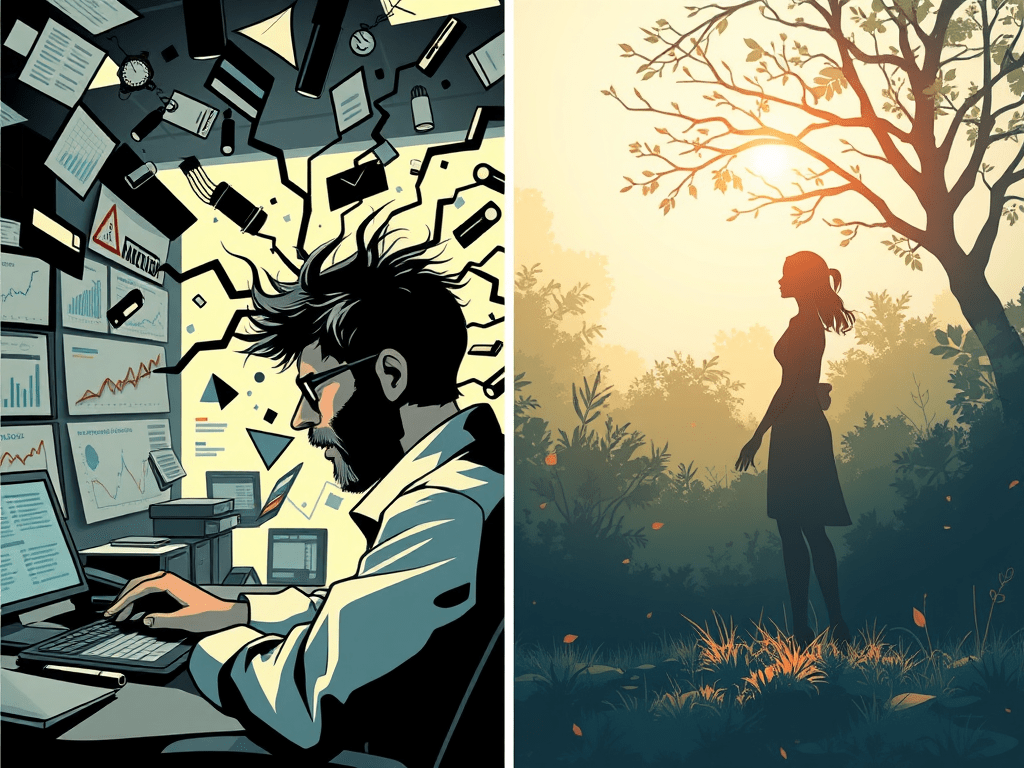
Intentionality doesn’t erase the wound. But it gives the wound a place to rest. It lets me move forward without abandoning the parts of myself that survived the hardest years of my life.
This is the alignment I’m choosing now.
Not perfection.
Not closure.
Just coherence.
And that’s enough.


























 Survivor Literacy
What do you think?