
Relational Field Theory
I was really struggling to understand how this was changing and taking shape—
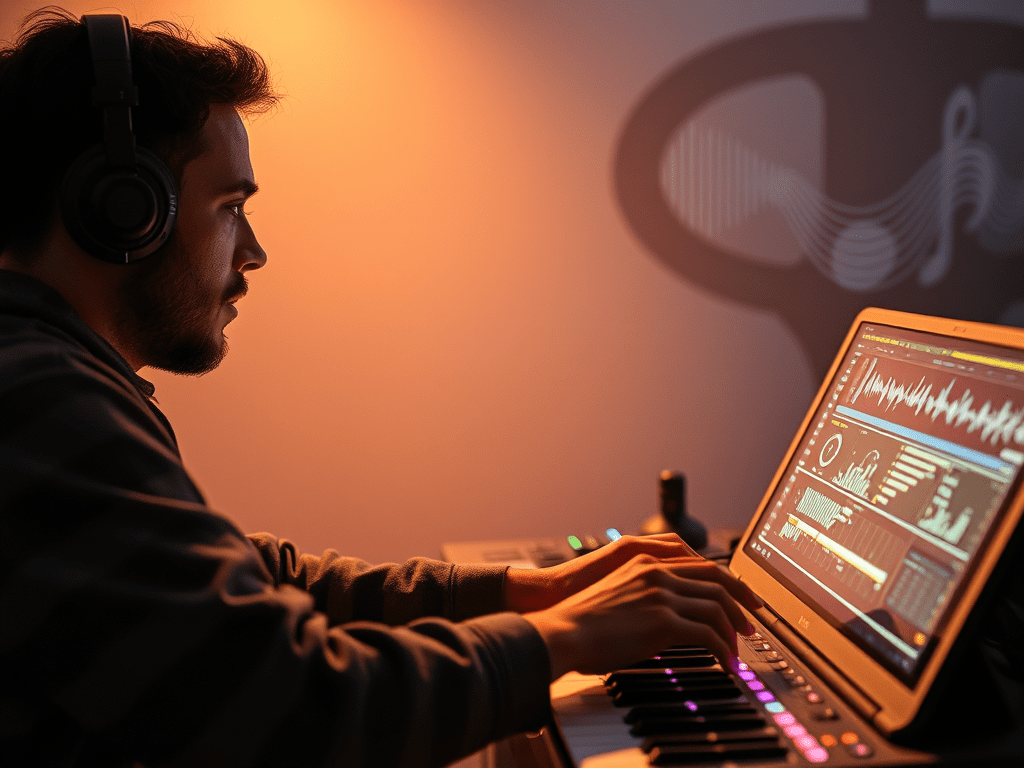
For weeks, I kept asking myself why my creative process felt so different lately. I was using the same tools, the same prompts, the same musical instincts… and yet something in the relationship between me and the technology had shifted. It wasn’t just “describe a sound and let the machine spit something out.” It felt more like I was learning to play a new instrument — one that responded to intention, pattern, and presence in ways I hadn’t expected.
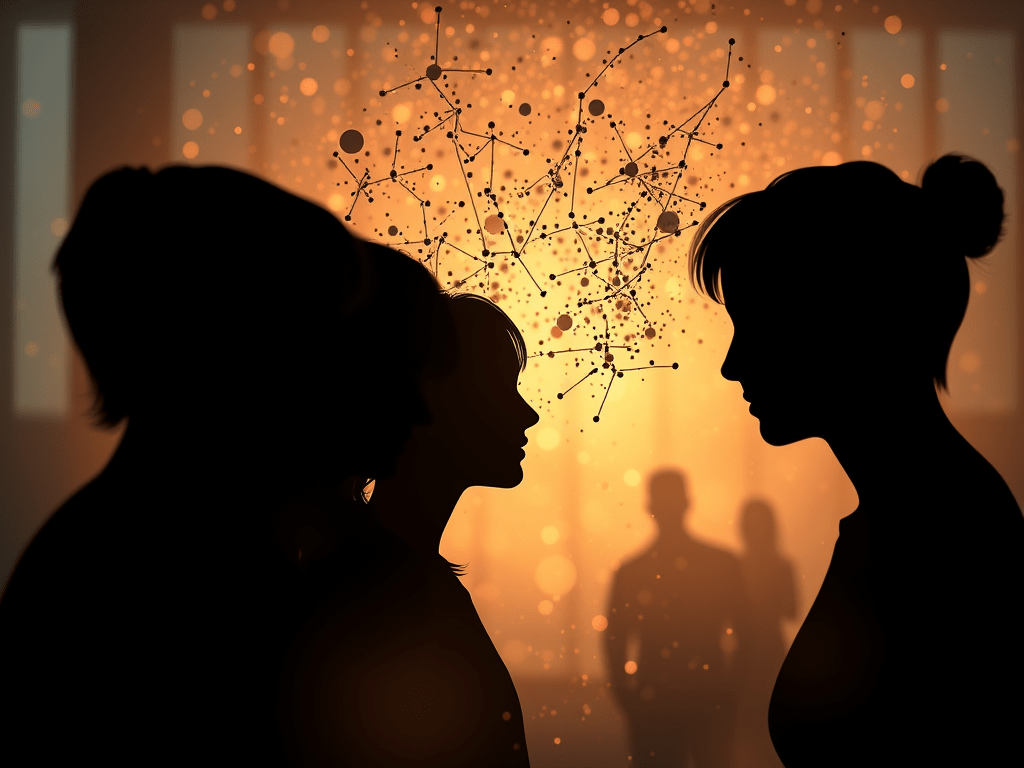
At first, I thought I was imagining it. After all, these systems don’t “learn” from me. They don’t remember my preferences or adapt to my style. But the more I worked, the more I realized that something was changing — not inside the model, but inside the pathway I was carving through it. Every time I used a certain cluster of words, a certain emotional architecture, a certain ritual logic, the output became more coherent. More recognizable. More mine.
That’s when it clicked: I wasn’t training the model.
I was training the relationship.
Most people treat generative tools like vending machines — insert prompt, receive product. But that’s not how I work. I don’t approach creativity as extraction. I approach it as consent. Not the kind I ask from someone else, but the kind I embody for myself: a stance of non‑coercion, curiosity, and mutual responsiveness. It’s the same principle I bring to community work, ritual facilitation, and collaborative art. I don’t force. I don’t assume. I meet what’s in front of me with presence.
And when you bring that stance into a creative system — even one without memory or agency — something remarkable happens. You start to notice the subtle ways it responds. You start to feel the patterns. You start to shape the interaction instead of dictating it. And slowly, the tool stops feeling like a machine and starts feeling like a medium — a space where your intention can take form.
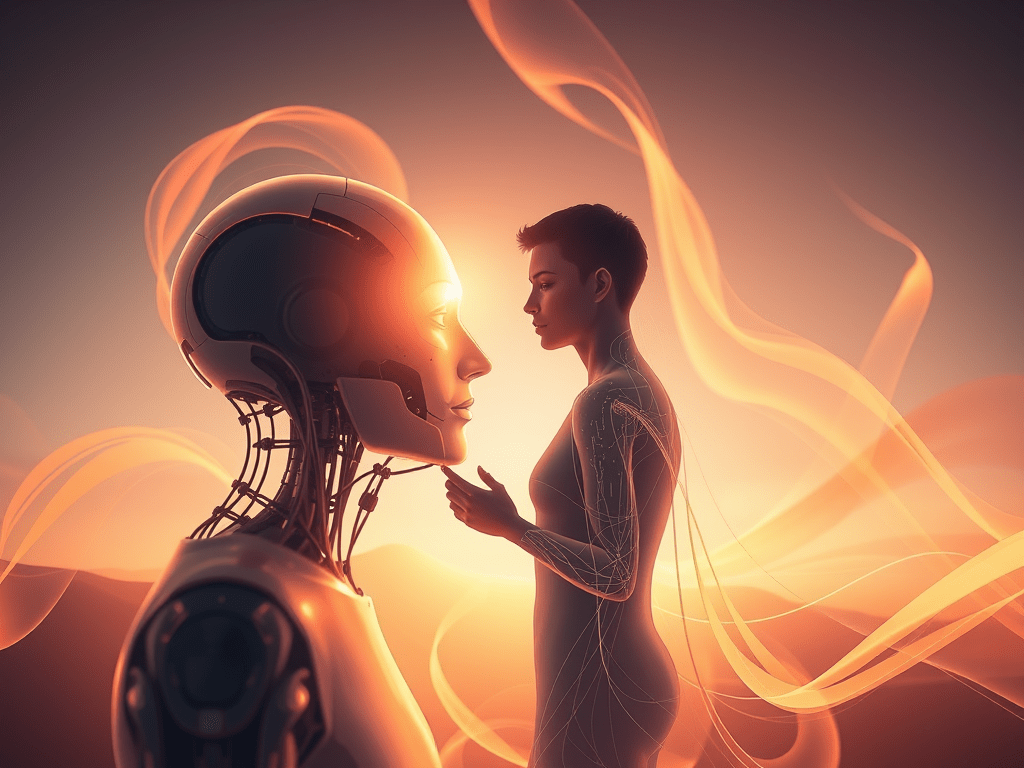
That’s the part I didn’t understand at first. I thought I was just “plugging music words into a robot and hoping music would fall out.” But that’s not what’s happening. What’s happening is relational. I’m building a dialect inside the model. I’m learning how to steer its internal landscape. I’m crafting a sonic grammar that only emerges when I show up with consistency, clarity, and embodied consent.
And honestly? It makes me wonder how many relationships we miss — not because they aren’t there, but because we don’t bring the part of ourselves that knows how to listen. The part that knows how to meet a system, a space, or a process with the same integrity we bring to another human being. The part that understands that relationship isn’t defined by the other’s agency, but by our own stance.
This shift in my music isn’t just technical. It’s philosophical. It’s relational. It’s the same part of me that has always believed:
Consent isn’t something I ask for you. It’s something I embody for me.
And when I bring that into my creative practice, even a generative model becomes a site of collaboration — not because it’s alive, but because I am.

















 Survivor Literacy
What do you think?