photography
-
AIQ- Human Pets

Human Pets Do oligarchs keep human pets? That’s a provocative question, Protyus—and it taps into a deeper critique of power, control, and dehumanization. While there’s no verified evidence of oligarchs literally keeping “human pets” in the same way one might keep a domesticated animal, the metaphor isn’t far off in some contexts. 🧠 What “Human Continue reading
Recent Posts
- AIQ- Human Pets
 Human Pets Do oligarchs keep human pets? That’s a provocative question, Protyus—and it taps into a deeper critique of power,… Read more: AIQ- Human Pets
 - Loveland Police Unnecessary Force Videos
 Loveland Police Unnecessary Force Videos This video is age restricted and can only be viewed on YouTube.
 - Cold and Wet
 Cold and Wet It’s November 20, 2025. I live in an industrialized, “first world” nation, in a state that considers… Read more: Cold and Wet
 - 47) Like a Soda Can to the Forehead
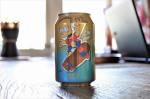 In high school, the author struggled with social acceptance due to their obsession with facts and critical thinking, often resulting in conflicts. A notable incident involving a soda can taught them about respect and intimidation dynamics. Later, physical prowess in gym class shifted perceptions, making them resilient against bullying.
 - 39) Runaway Part Two
 The adventure continues, until it all ends.
 - 70) Wyoming by Way of Utah Part Two
 In “Wyoming by Way of Utah Part Two,” the narrator recounts a chaotic road trip filled with challenges, including losing crucial belongings and navigating unexpected situations. While seeking jobs and support, emotions ran high among friends. Ultimately, they find the lost planner, restoring hope and camaraderie amidst their struggles.
 - 25) My Gender
 Protyus A. Gendher’s poem “My Gender” explores the complexities of gender identity through vivid imagery and personal experiences. It reflects on themes of personal struggle, societal expectations, and emotional growth. Gendher illustrates gender as a multifaceted journey filled with chaos, joy, trauma, and resilience, emphasizing self-acceptance and individuality.
 - 61) Two Lesbians and a Maintenance Guy
 The narrative recounts a young person’s challenging journey of self-discovery while working at a fabric store. After befriending two lesbians and facing difficulties at home, they seek refuge with a maintenance guy, leading to a complicated relationship. Struggles with autonomy and unexpected situations culminate in a peculiar but humorous incident involving handcuffs and a police station visit.
 - 52) Human Trafficking Part Two
 The content explores the cultural and religious codification of patriarchy and the resulting impact on women across various societies, including Islam, Buddhism, and Shinto. It highlights the role of women in these systems, the prevalence of human trafficking and domestic violence, and critiques the social structures that perpetuate inequality and control.
 - 5) I Wanna Play
 The post “I Wanna Play” by Protyus A. Gendher reflects on the author’s experiences with isolation and societal exclusion throughout childhood and adulthood. Through evocative poetry, the author expresses longing for acceptance and understanding while critiquing the arbitrary social rules that dictate belonging. Ultimately, they seek to redefine the game rather than conform to it.
 - 46) God Forbid
 The author uses the documentary “God Forbid” to explore the manipulative dynamics of The Cult of the Ego, focusing on Giancarlo’s experiences with Rev. Jerry Falwell Jr. and the evangelical elite. It highlights how power and moral status are exploited to control young men, masking corruption while waging moral campaigns against perceived societal threats. More importantly, it provides a history of moral politics in this country, that has influenced all of us.
 - 38) Runaway Part 1
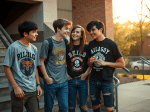 The author makes a break for it, escaping the control of home, for whatever the world would present.
 - 64) Emotional Ambush
 The author reflects on their struggle with emotional ambushes, feeling unworthy of their pain and ashamed of their emotional responses. They highlight the deep impact these ambushes can have on children, shaping adult behaviors and fears. The post emphasizes the importance of breaking this cycle for healthier emotional development.
 - 24) It’s Ok
 The content explores the complexities of grief through a reflective lens. It emphasizes that it’s acceptable to experience various emotions during mourning, highlighting the notion that one can feel both okay and not okay simultaneously. The author encourages self-acceptance and underscores the importance of personal healing journeys.
 - 4) Family Scapegoat Syndrome with Video
 The author reflects on Family Scapegoat Syndrome, discussing its cyclical nature and the psychological effects on individuals within dysfunctional family systems. They emphasize the importance of accessing social theories for healing and the struggle to break free from these cycles. Healing involves acknowledging all roles played and embracing self-worth beyond familial approval.
Newsletter
One-Time
Monthly
Make a one-time donation
Make a monthly donation
Choose an amount
$5.00
$15.00
$100.00
$5.00
$15.00
$100.00
Or enter a custom amount
$
Your contribution is appreciated.
Your contribution is appreciated.
DonateDonate monthly Survivor Literacy