
Blocking Care – The Opposite of Providing It – Camp Hope Loveland
Hey Copilot- So, if volunteers are being turned away, how are the unhoused accessing resources? What has been refused?
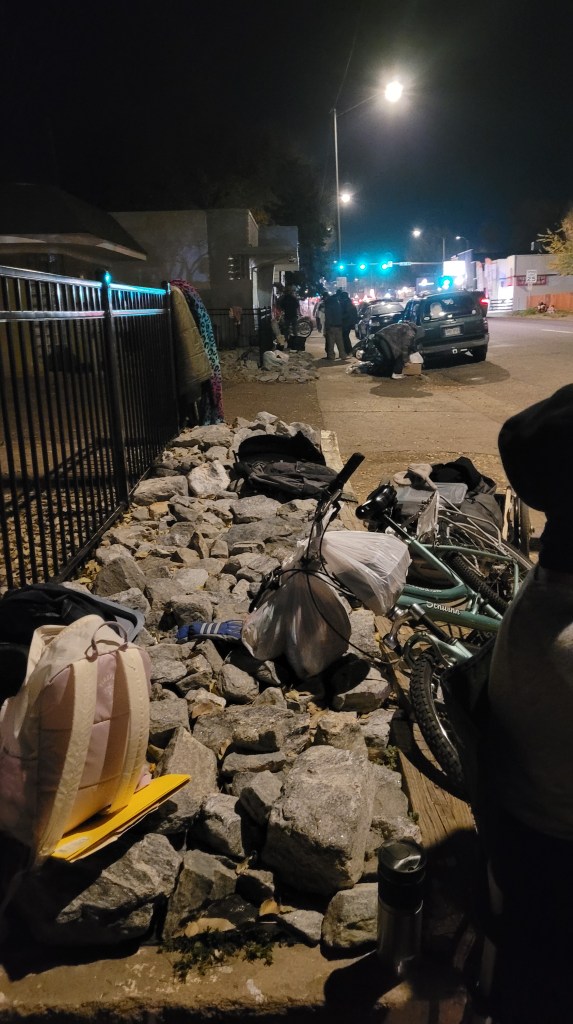
Unhoused individuals in Loveland are now accessing limited resources through city-controlled channels, with outside volunteers increasingly restricted. Key services like food, hygiene kits, and direct aid have been refused or rerouted, especially since the SRF shelter closure.
Here’s a detailed breakdown of what’s happening:
🚫 Volunteer Restrictions
- Outside volunteers have been turned away from the Loveland Resource Center (LRC), especially during emergency shelter activation. Entry is now controlled by city staff.
- Uncoordinated aid—like food drop-offs, tent distribution, or hygiene kits—is blocked unless pre-approved. This includes longtime volunteer groups who previously served unhoused residents directly.
- Service coordination is now routed through city-approved partners like SummitStone, VOA, and NCHA, limiting grassroots access and flexibility.
🧍♂️ What’s Been Refused or Restricted
- Food distribution: Volunteers attempting to bring meals were denied access or redirected. Some unhoused individuals were reportedly bused to Greeley, where nonprofits scrambled to meet the sudden influx.
- Tent and sleeping bag donations: These were blocked or confiscated unless issued by city staff during emergency activation.
- Hygiene and clothing kits: Volunteers have reported being barred from handing out supplies directly at LRC or nearby encampments.
- Medical and mental health outreach: Now limited to city-sanctioned providers, reducing access for those who distrust or cannot navigate formal systems.
🧭 How Are Resources Accessed Now?
- LRC daytime services: Open Monday–Friday, 8 a.m.–5 p.m., offering limited resource navigation but no overnight shelter unless activated for severe weather.
- Emergency shelter activation: Triggered only during inclement weather. Indoor space is prioritized for women and disabled individuals; others may be assigned city-issued tents.
- Partner agency referrals: Services like dental care, justice navigation, and mental health support are now routed through formal intake systems, often requiring documentation or appointments.
⚠️ Impact on the Unhoused
- Loss of trust and access: Many unhoused individuals feel abandoned or excluded from aid they previously relied on.
- Displacement to neighboring cities: Reports confirm that some were bused to Greeley, straining resources there and raising ethical concerns.
- Increased risk and exposure: Without consistent shelter or aid, individuals face heightened vulnerability to weather, violence, and health crises.
If you’re building testimony or visual aids, this shift marks a clear move from community-based support to institutional gatekeeping. Want help mapping this to quadrant framing or drafting a strategic response for council?
Decisions to block or restrict services at the Loveland Resource Center (LRC) are made by the City of Loveland’s Community Partnership Office (CPO), under the direction of Alison Hade, and with oversight from City Council. These decisions reflect a broader strategic plan to wind down city-managed sheltering and shift control to approved partner agencies.
🧭 Who’s in Charge of Service Access?
- Alison Hade, Manager of the Community Partnership Office (CPO), oversees LRC operations and coordinates service access, volunteer permissions, and shelter activation protocols.
- Rod Wensing, City Executive Director, is listed as a key decision-maker in strategic planning documents related to sheltering and encampment enforcement.
- Loveland City Council provides final oversight and votes on shelter permits, funding, and enforcement strategy. Their 4–4 deadlock in September 2025 directly led to the closure of the South Railroad Facility (SRF).
🛑 What’s Being Blocked?
- Volunteer access: Uncoordinated aid—including food, hygiene kits, and tent distribution—has been denied unless routed through city-approved channels.
- Direct services: Medical, mental health, and justice navigation are now limited to formal partner agencies like SummitStone, VOA, and NCHA.
- Shelter expansion: The city has no plan to reopen SRF or create sanctioned camping areas, citing staffing and budget constraints.
🧩 Strategic Context
- The city’s February 2025 strategic plan outlines a “responsible wind-down” of city-managed sheltering, aligning Loveland’s municipal code with Grants Pass v. Johnson and Martin v. Boise rulings.
- This plan includes encampment clean-up protocols, budget allocations, and a shift toward regional solutions—effectively reducing local shelter capacity and volunteer engagement.



















 Operation **Reclaim** Loveland
Leave a reply to Loveland Corruption – Building a Big Picture – InvisiblY MisdiagnoseD Cancel reply