
Behind the Process- “Gonna Have to Love Ourselves”
The first version of this song was born in the softest, most human place: a moment of triggered parenting where I needed to repair myself in real time. I reached instinctively for the musical languages that have always held me — Kitchen Party Songs, Celtic folk, soul, and blues. These are genres built for comfort, for honesty, for singing through the ache. They’re porch‑light genres, the ones that say, “Come sit down, breathe, and tell the truth.” The earliest draft of the song was simply a self‑love lullaby for the adult I’ve become and the child I once was.
But as I sang along with it, something deeper began to stir. The melody kept pulling me toward a more complicated emotional terrain, as if the song itself knew there was more to say. The Celtic ache wanted to braid itself with something older, something heavier. That’s when alpenländische Volksmusik began whispering at the edges — the mountain‑born harmonies, the yodel‑like calls, the communal breath of people who have survived harsh landscapes and harsher histories. And then, almost immediately, Afrobeat stepped forward with its polyrhythmic insistence, its heartbeat of resistance, its refusal to be silenced.
That gravitational pull cracked the song open. Suddenly it wasn’t just about my own self‑love or my own healing. It was about the larger systems that shaped me, the inherited wounds, the generational patterns that don’t dissolve just because we wish them away. The song began to widen, to stretch, to demand a bigger container. Afrobeat, world music, chant, call‑and‑response, and indigenous instruments all arrived like ancestors knocking on the door, saying, “If you’re going to tell this truth, tell all of it.”
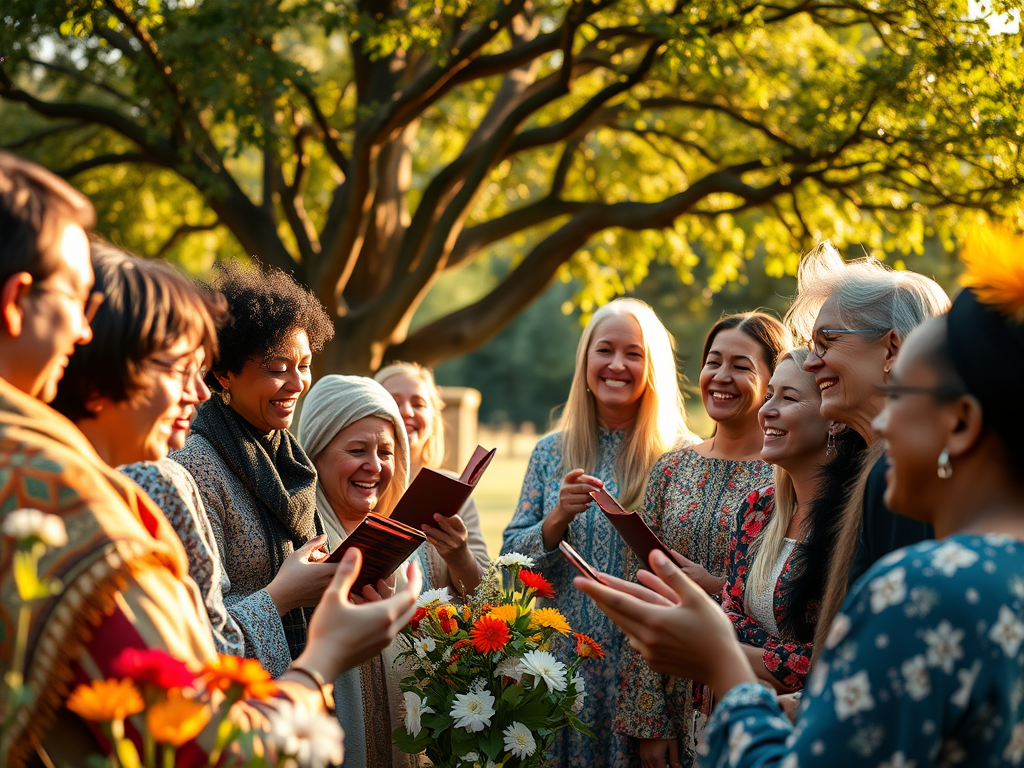
As the song expanded, it moved from the personal to the communal. World folk and soul entered the mix, grounding the piece in a shared human ache — the ache of being shaped by forces bigger than us, the ache of learning to parent ourselves, the ache of reclaiming worth in a world that measures everything in productivity. These genres carry the emotional weight of testimony. They don’t just express pain; they metabolize it.
Then came the island music influences — the sway, the warmth, the communal breath of cultures that have survived colonization and still sing. Island music brought a softness, a resilience, a reminder that joy is also a survival tool. It layered itself with world chant and indigenous instruments, creating a sonic shoreline where grief and hope could coexist without contradiction.
From there, the song climbed into mountain music — another lineage of survival, another tradition shaped by isolation, hardship, and communal endurance. Mountain music carries the sound of people who learned to sing their way through scarcity, through winter, through generational silence. It brought a new kind of gravity to the piece, a reminder that healing is not always gentle; sometimes it is carved out of stone.
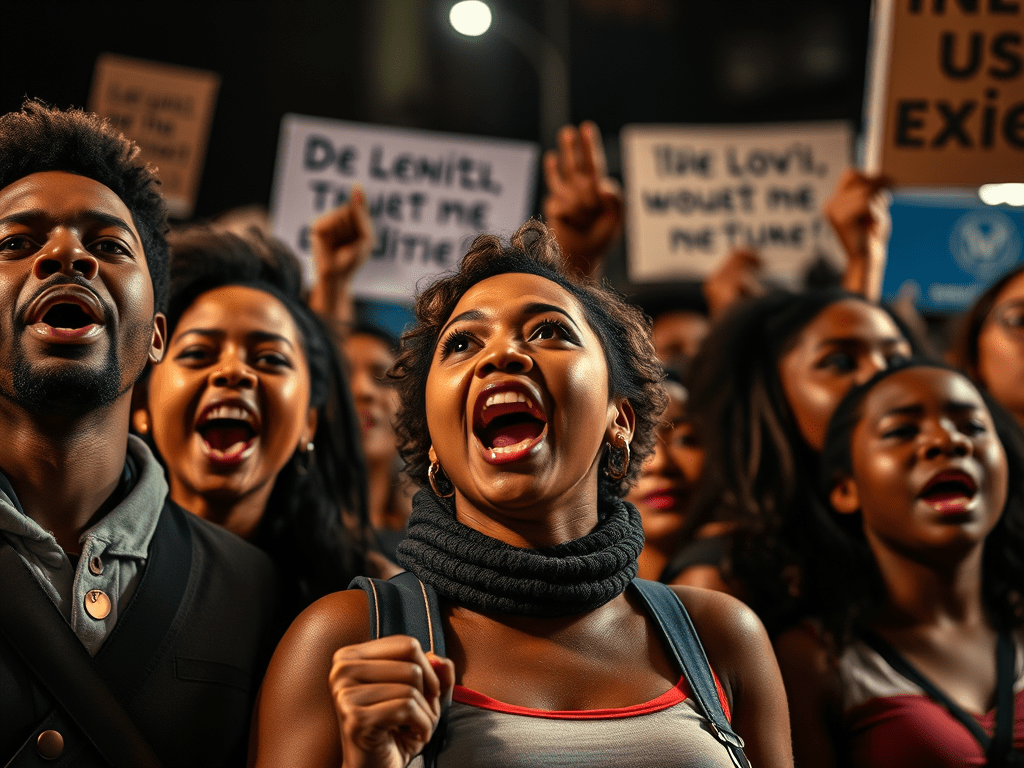
And then the song descended into the prison‑song lineage — chain gang rhythms, work‑song cadences, the call‑and‑response of people who survived the unthinkable by synchronizing their breath. This was the moment the song stopped being a personal reflection and became a ritual. The chain gang rhythm is a heartbeat. It’s the sound of people carrying the unbearable together.
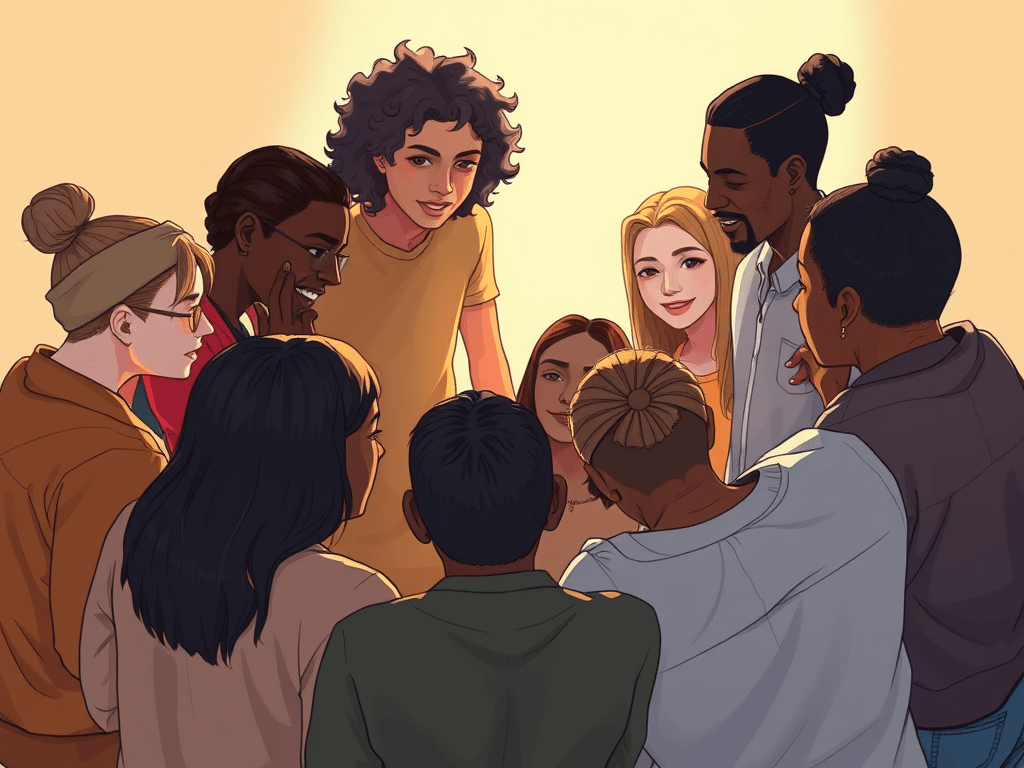
But the song didn’t stop there. It kept evolving, kept revealing deeper layers of truth. Horrorcore emerged — not as violence, but as honesty. It brought the shadow into the room: the dread, the systemic harm, the monsters that live in institutions and memories. Mixed‑gender vocals and many voices joined in, transforming the song into a communal circle rather than a solo confession.
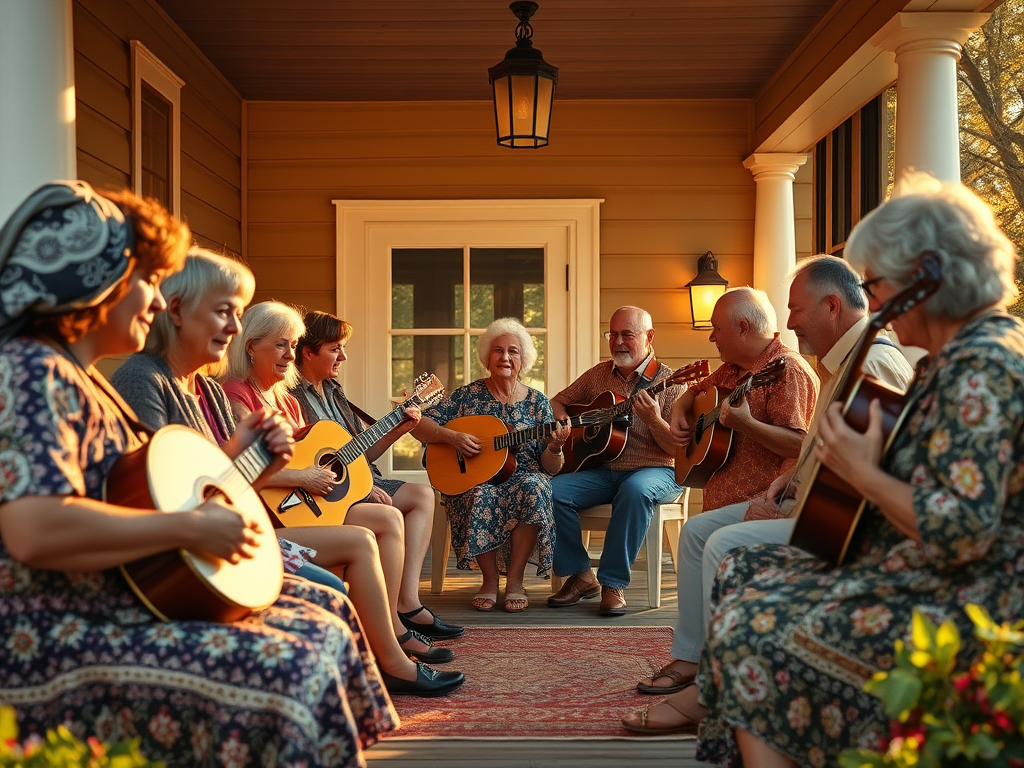
Blues returned, but this time with porch‑song energy — the kind of singing that happens when neighbors gather at dusk to tell the truth about their lives. It softened the horrorcore edges, grounding the piece in humanity. Meditation entered the mix too, turning the repetition into breathwork, turning the chant into a nervous‑system reset, turning the song into a tool rather than just a track.
And through it all wove the multilingual stretch — the moment the song became global. Translating the core couplets into languages from communities who have survived genocide, displacement, colonization, and cultural erasure transformed the piece into a collective spell. Each language carried its own history, its own grief, its own resilience. Together, they formed a chorus of ancestral memory.
In that multilingual section, something extraordinary happened. The song became a shared breath across continents, a steady heartbeat across lineages, a ritual of self‑creation and cycle‑breaking spoken in many tongues. It became a walk through the back alley of human history — the alley you cannot avoid, the alley every marginalized community knows by heart. And yet, in that alley, the voices did not scatter. They harmonized.
What began as a self‑love song after a hard day of parenting became a global testimony — a journey through ancestral memory, through the wounds we inherit and the humanity that remains. It became a reminder that even if we don’t survive, the truth does. And when the world is ready again, that truth rises, waiting to be sung.
The song will be out in the next few days. While you wait check out the catalog








![Time to Dance by Protyus A. Gendher [Glass Ceiling Records]](https://invisiblymisdiagnosed.com/wp-content/uploads/2026/01/image-56.png?w=1024)













 Survivor Literacy
What do you think?