
Behind the Scenes- Glass Ceiling Records
The Core Principles of Relational Anthropology
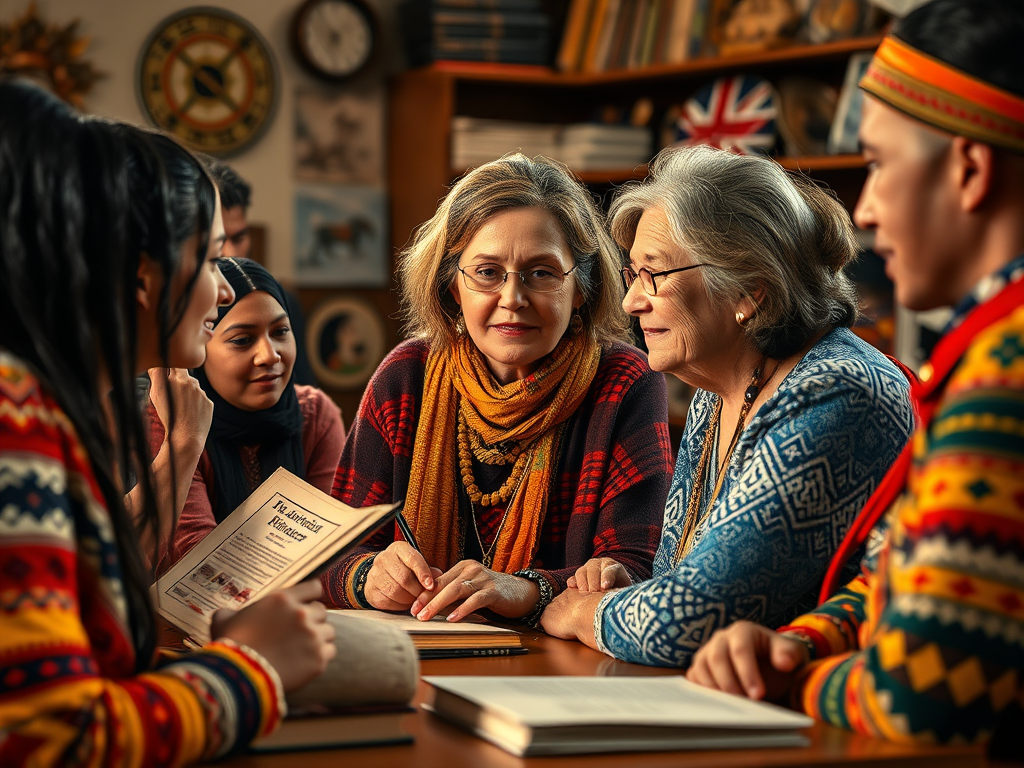
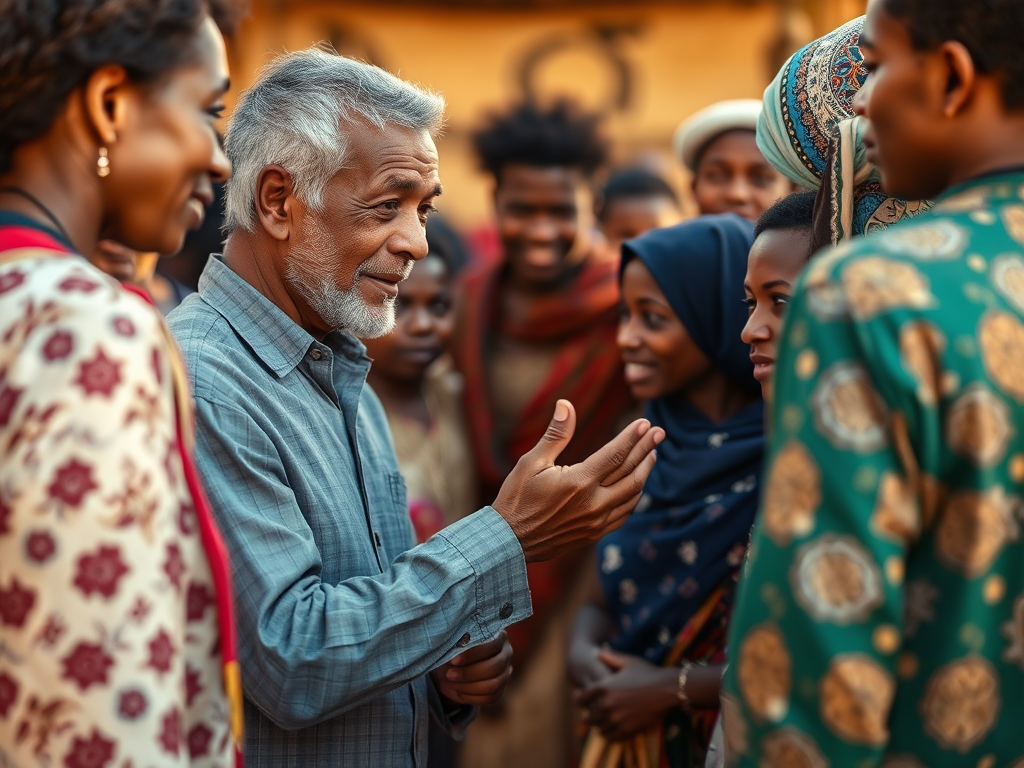
If Relational Anthropology names the connective tissue of the discipline, then its principles give us a way to practice it intentionally. At its heart, Relational Anthropology begins with the understanding that knowledge is not extracted from people — it is co‑created with them. This shifts the anthropologist from observer to participant, from recorder to collaborator, from analyst to relational partner. Meaning emerges in the space between, not in the distance maintained.
The first principle is reciprocity. Relational Anthropology insists that fieldwork is not a one‑way flow of information. Communities are not data sources; they are co‑authors. Reciprocity asks the anthropologist to give back — through care, through presence, through accountability, through creative or material contribution. It reframes ethnography as a relationship rather than a transaction.
The second principle is contextual meaning‑making. Instead of treating culture as a set of traits or behaviors, Relational Anthropology understands culture as a web of relationships — between people, land, language, memory, ritual, and power. Interpretation is not imposed from above; it is shaped through dialogue, listening, and shared experience. This principle honors the idea that understanding grows from proximity, not detachment.
The third principle is ethical entanglement. Traditional anthropology often pretended that researchers could remain neutral or outside the systems they studied. Relational Anthropology rejects that illusion. It acknowledges that the anthropologist is always implicated — emotionally, politically, historically. Ethical entanglement means taking responsibility for the impact of one’s presence and choosing methods that honor the dignity and sovereignty of the communities involved.
Finally, Relational Anthropology is grounded in ongoing relationship, not one‑time encounters. Fieldwork doesn’t end when the plane leaves. Meaning continues to unfold through long‑term connection, shared projects, and mutual transformation. This principle recognizes that anthropology is not a snapshot; it is a living practice shaped by time, trust, and return.
Relational Anthropology doesn’t replace the existing subfields — it reveals the logic that unites them. It offers a framework for doing anthropology that is accountable, collaborative, and alive. And now that it has a name, we can teach it, refine it, and build with it intentionally.



























 Survivor Literacy
What do you think?