Chapter Two
Chapter 2 — When Breath Arrives on Its Own
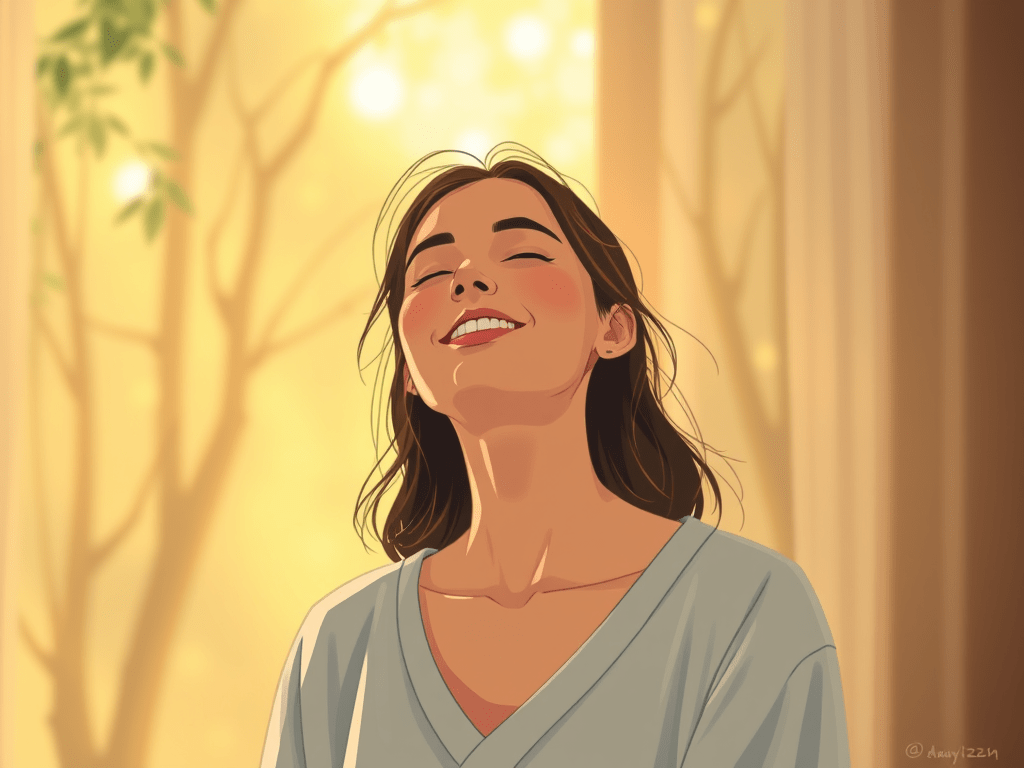
There is a moment — subtle, almost imperceptible — when the body shifts from bracing to releasing. It doesn’t ask permission. It doesn’t wait for the mind to catch up. It simply decides the danger has passed. That’s what happened to me after the rupture‑song finished. A breath rose up from somewhere deeper than intention, a breath that didn’t feel forced or strategic or therapeutic. It felt true.
Before that breath, every inhale had been a negotiation.
A performance of calm.
A technique I was trying to apply to myself like a bandage.
But this breath — the real one — arrived without effort.
It wasn’t something I did.
It was something that happened to me.
And that was the revelation:
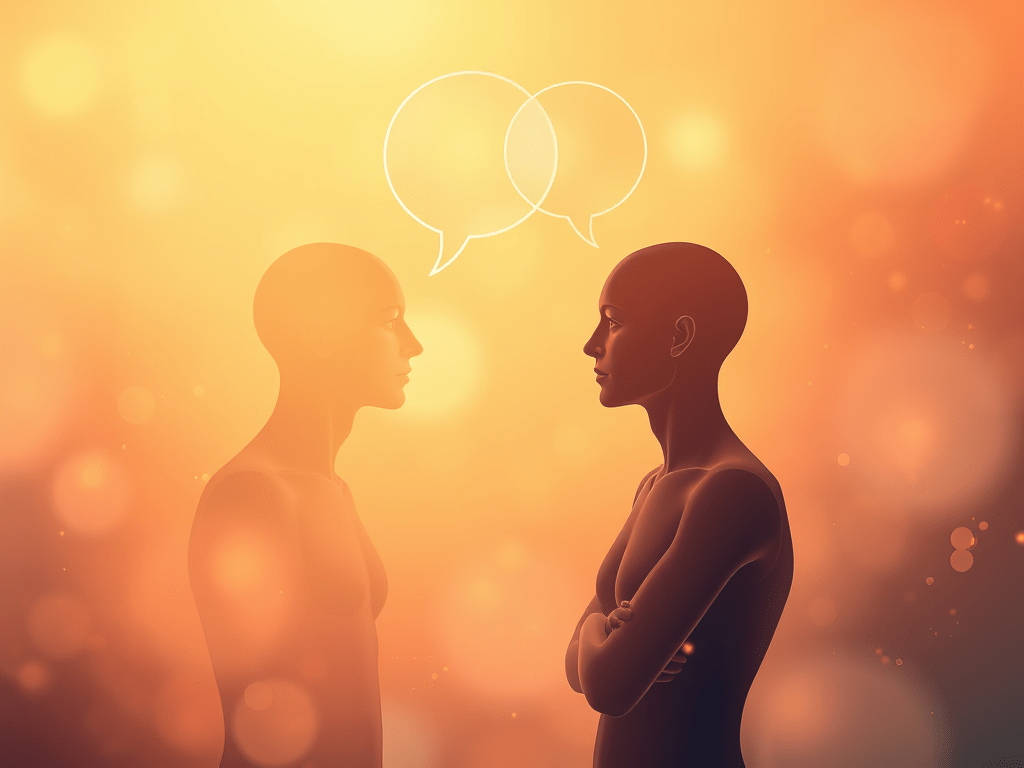
the nervous system knows when it’s been witnessed.
Not soothed.
Not managed.
Not corrected.
Witnessed.
The crying had been the body’s way of saying, “There is something here.”
The song was my way of saying, “I’m listening.”
And the breath was the body’s way of saying, “Thank you.”
This is the moment most methodologies miss — the moment when the system recalibrates not because it was controlled, but because it was met. Regulation is not the goal; coherence is. And coherence cannot be forced. It emerges when truth is acknowledged.
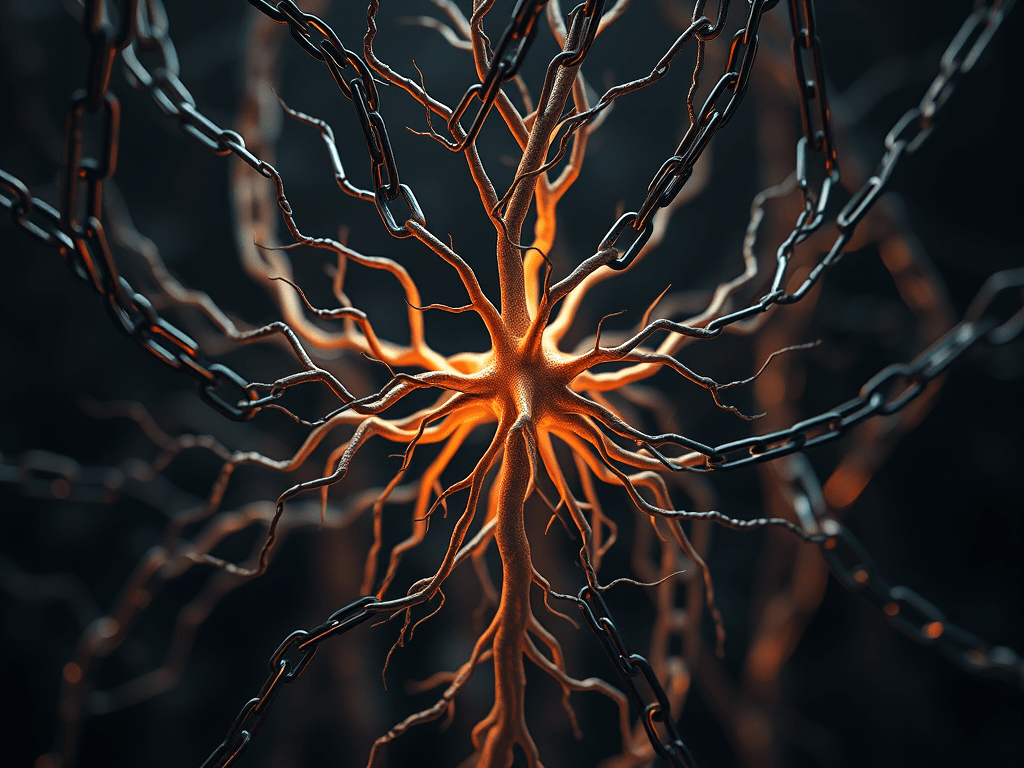
As the breath settled, I felt something else: a softening in the places that had been clenched for years. Not a dramatic release, not a cinematic transformation — just a quiet loosening, like a fist slowly opening. My body was no longer defending itself from me.
This is the heart of Relational Anthropology:
the recognition that the self is not an object to be studied, but a relationship to be tended.
And relationships change when they are treated with honesty.
The breath taught me that the body is not waiting for analysis.
It’s waiting for presence.
It’s waiting for truth.
It’s waiting for the moment when the observer steps aside and the field site is allowed to speak.
And when that happens — when the body is finally heard — the nervous system does what it has always known how to do: it returns to itself.
This chapter is about that return.
The next chapter will explore what happens when the ancestors arrive without structure — and what it means to create a container for them.





















 Survivor Literacy
What do you think?