Chapter Thirty Two
Chapter 32 — Survivor Literacy
An Intimate Address
If you’re reading this, I want you to know something before anything else:
You already speak a language you were never taught.
A language you learned because you had to.
A language that lives in your bones, your breath, your instincts, your scars.
We call it Survivor Literacy.
It’s not a theory.
It’s not a framework.
It’s not a chapter in a book.
It’s the knowledge we carry because the world made us carry it.
It’s the knowing that comes from rupture, from harm, from endurance, from the quiet brilliance of people who learned to read danger before they learned to read books.
It’s the literacy of:
- sensing the shift in a room before anyone speaks
- knowing when silence is safety
- knowing when silence is death
- softening to survive
- sharpening to survive
- disappearing to survive
- returning to survive
It’s the literacy of Cassie Ventura, who told the truth long before the world was ready to hear her.
It’s the literacy of the Nickelodeon kids, who learned to smile on cue while adults failed them.
It’s the literacy of Dorothy Dandridge, who carried the weight of a nation’s projections.
It’s the literacy of Billie Holiday, who sang what the country refused to face.
It’s the literacy of Frida Kahlo, who painted pain into portals.
It’s the literacy of Temple Grandin, who translated a world that never translated her back.
It’s the literacy of Maya Angelou, who turned silence into song.
It’s the literacy of Harvey Milk, who believed in a world that wasn’t ready for him.
And it’s the literacy of every name in the “Say Their Names” lineage — the ones who needed us to listen before they couldn’t breathe.
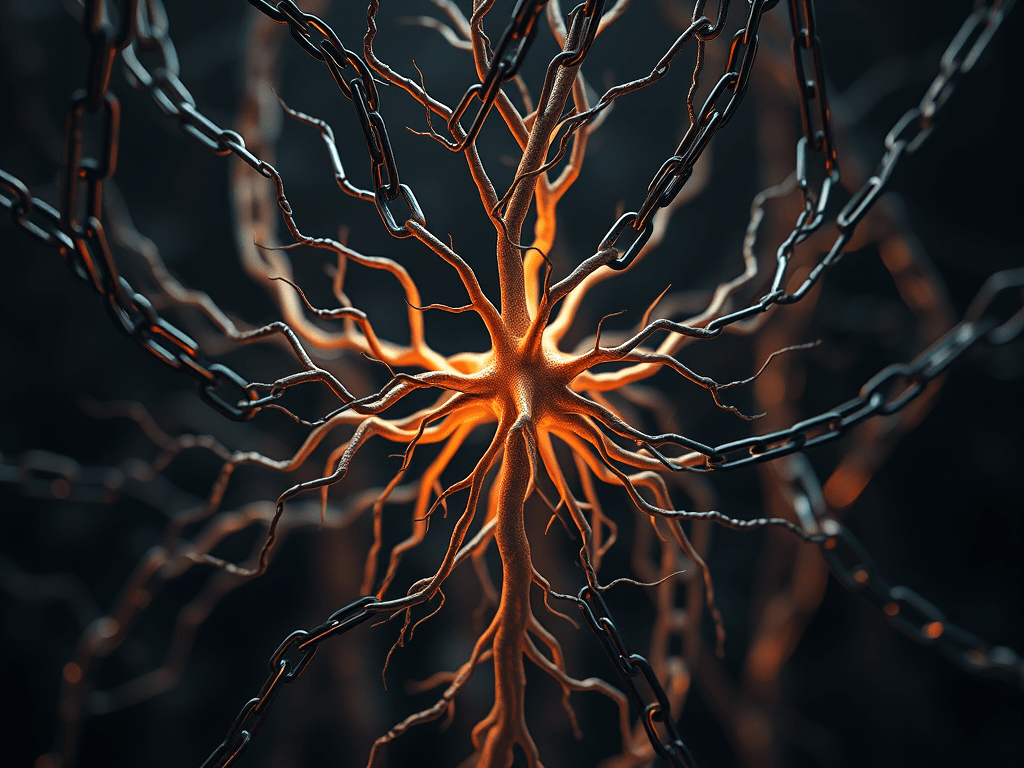
Survivor Literacy is the knowledge that emerges when the world refuses to protect you, so you learn to protect yourself — and others — through relation, through intuition, through the kind of wisdom institutions don’t teach because institutions are often the reason you needed it in the first place. Knowledges gained in backwoods, barrios, barstools, and broken promises.
The Literacies We Carry Together
The Literacy of Endurance
The knowledge of how to keep going when the world keeps taking.
The Literacy of Pattern Recognition
The ability to read danger, power, and intention in micro‑gestures.
The Literacy of Silence
Knowing when silence is survival, and when breaking it is liberation.
The Literacy of Care
The instinct to protect others even when no one protected us.
The Literacy of Return
The moment we come back to ourselves after years of estrangement.
The Literacy of Witnessing
The ability to hold someone else’s truth without flinching.
The Literacy of Becoming
The knowledge that survival is not the end of the story — it’s the beginning of a new one.
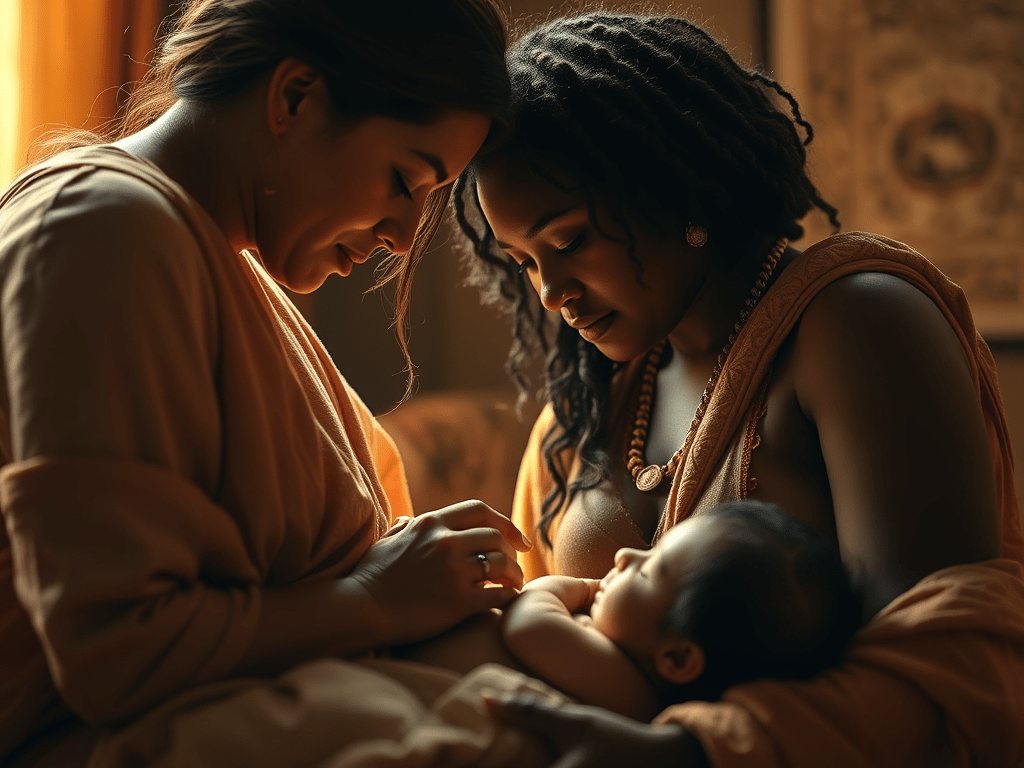
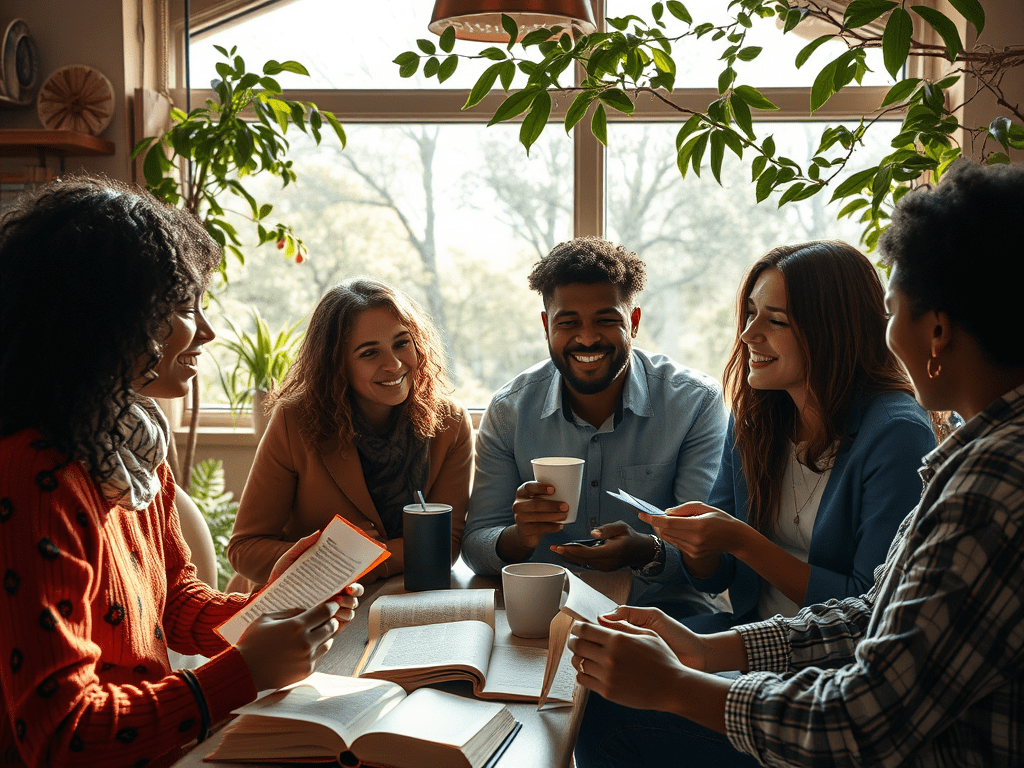
We didn’t learn these things alone.
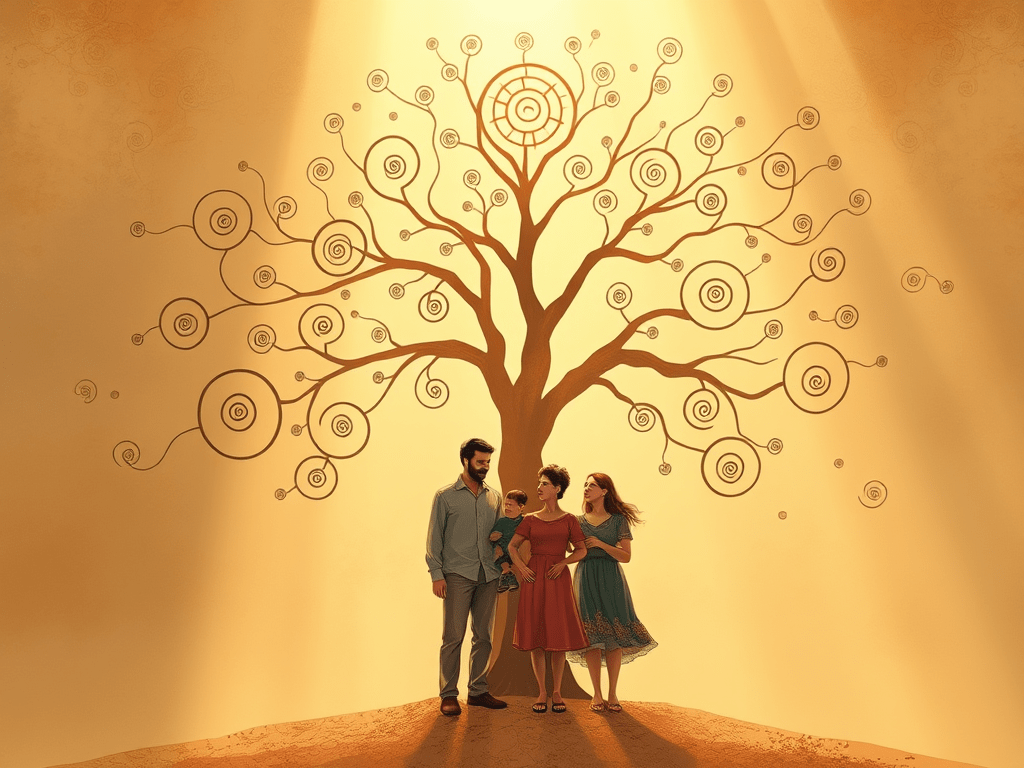
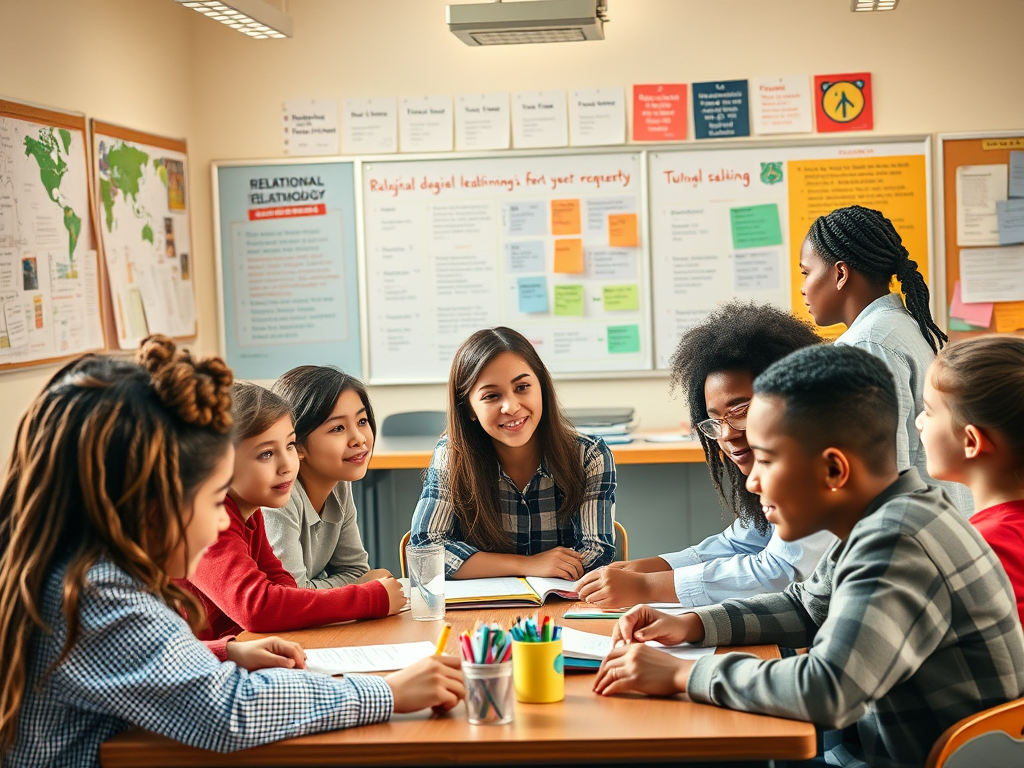
We learned them in community, in lineage, in the long shadow of those who came before us.
And then the shift — the truth we can’t soften.
Survivor Literacy isn’t just about wisdom.
It’s about the cost.
It’s about the erasure.
The loss.
The silence.
The relentlessness of harm.
The way transactionality has replaced relationality in so many corners of our world.
The way people are consumed, not accompanied.
The way stories are extracted, not held.
The way pain becomes spectacle instead of catalyst.
And it’s about the fact that another trans sibling was lost last night.
Stabbed.
Gone.
A life that deserved safety, joy, belonging, and a future.
I didn’t know them personally — but I felt the shockwave.
Because that’s how community grief works.
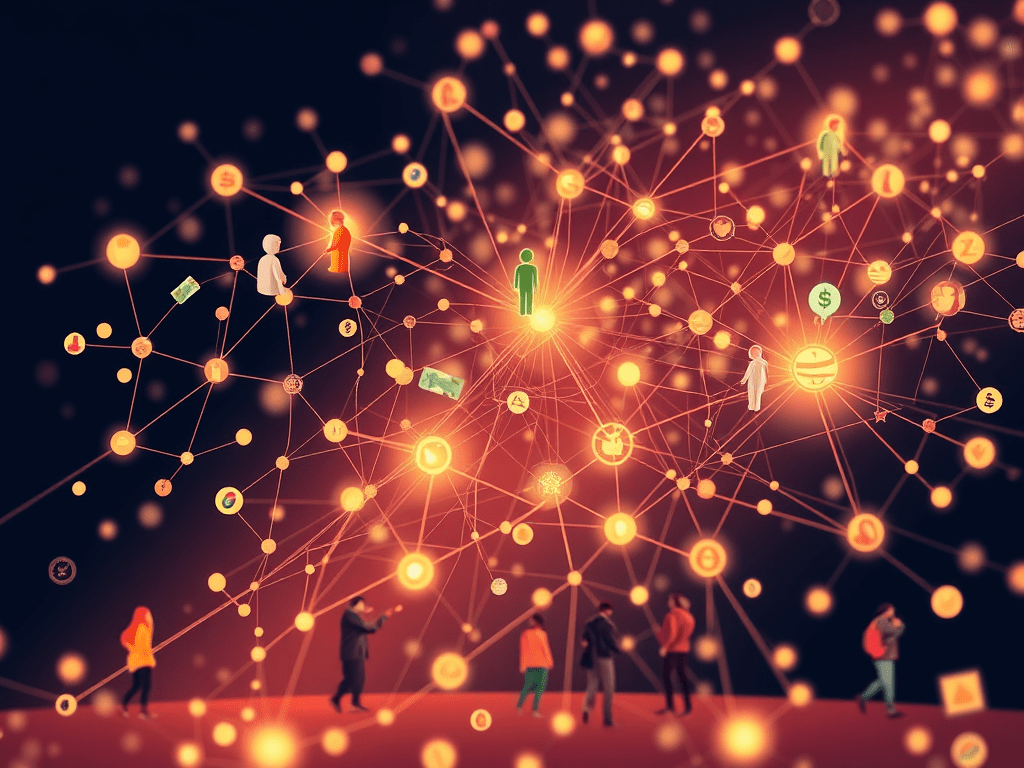
It travels through the web of relation, through identity, through shared vulnerability, through the knowledge that it could have been any of us.
This brand‑new pain joins the global knowing — the grief, the hardship, the oppression — but also the kindness in moments of desperation, the care in moments of scarcity, the way trans people hold each other when the world refuses to.
This is Survivor Literacy too.
The literacy of holding each other through the unbearable.
And now we land where my life was saved: Frankl.
Viktor Frankl wrote that meaning is not found in freedom from suffering, but in the stance we take toward it.
Not in the pain itself, but in the response.
Survivor Literacy is that response.
It’s the stance.
The posture.
The orientation toward life that says:
I survived, and therefore I know something.
We survived, and therefore we can see something.
I was harmed, and therefore I can heal something.
We were silenced, and therefore we can speak something.
I was erased, and therefore I can remember something.
This is the literacy that saved my life long before I had a name for it.
And now the part I speak directly, from my own body.
Today, I came into alignment.
Today, I remembered my joy.
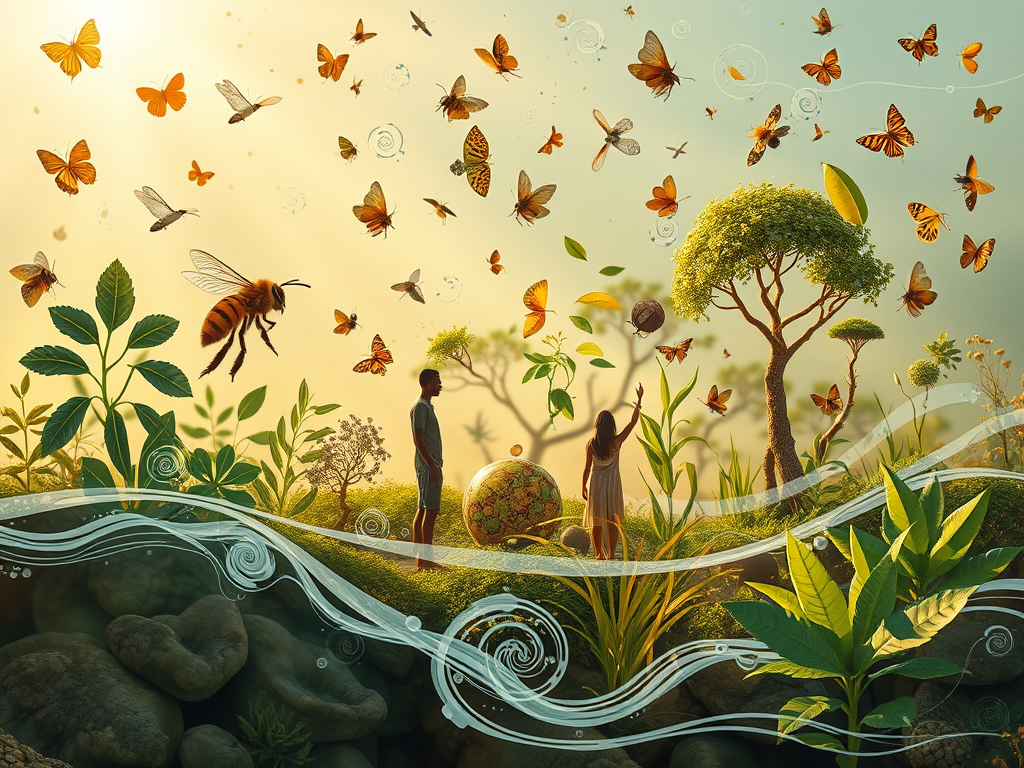
Today, I felt my relationship with food and the planet and my own self return.
Today, the rupture in the ecosystem of me became tilled soil.
Seeds planted.
Rain clouds gathering.
Today, we birthed:
- an ethos
- a repair
- a lens
- a megaphone
- an embodiment
- a promise
This is how we heal.
Individually.
Interpersonally.
Culturally.
Globally.
Historically.
And we did it together.
High five.











 Survivor Literacy
What do you think?