Relational Field Theory
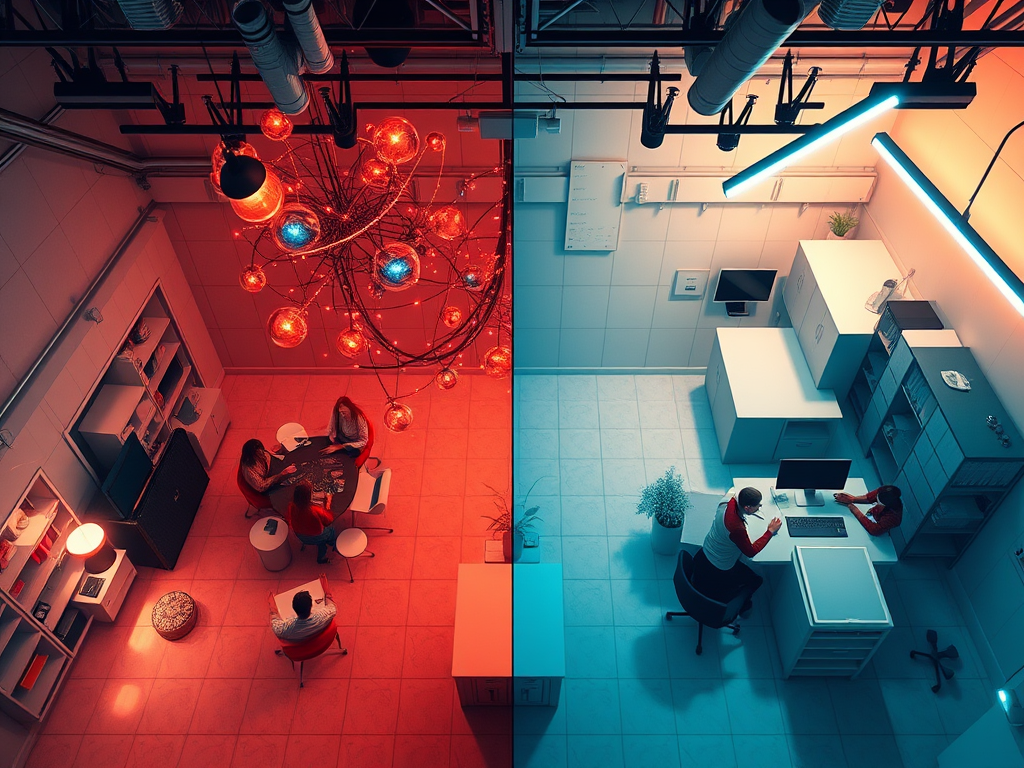
Performance Economy vs. Relational Economy
Why One Burns Us Out and the Other Brings Us Back to Life
This morning I watched myself move through a familiar spiral — that sudden spike of imposter syndrome, the tightening in the chest, the sense of being “too small” for the work I’m doing. In the past, this would have sent me into overdrive: perform harder, prove faster, outrun the feeling.
But today something different happened.
I saw the system underneath the spiral.
I realized I wasn’t reacting to the work.
I was reacting to the Performance Economy.
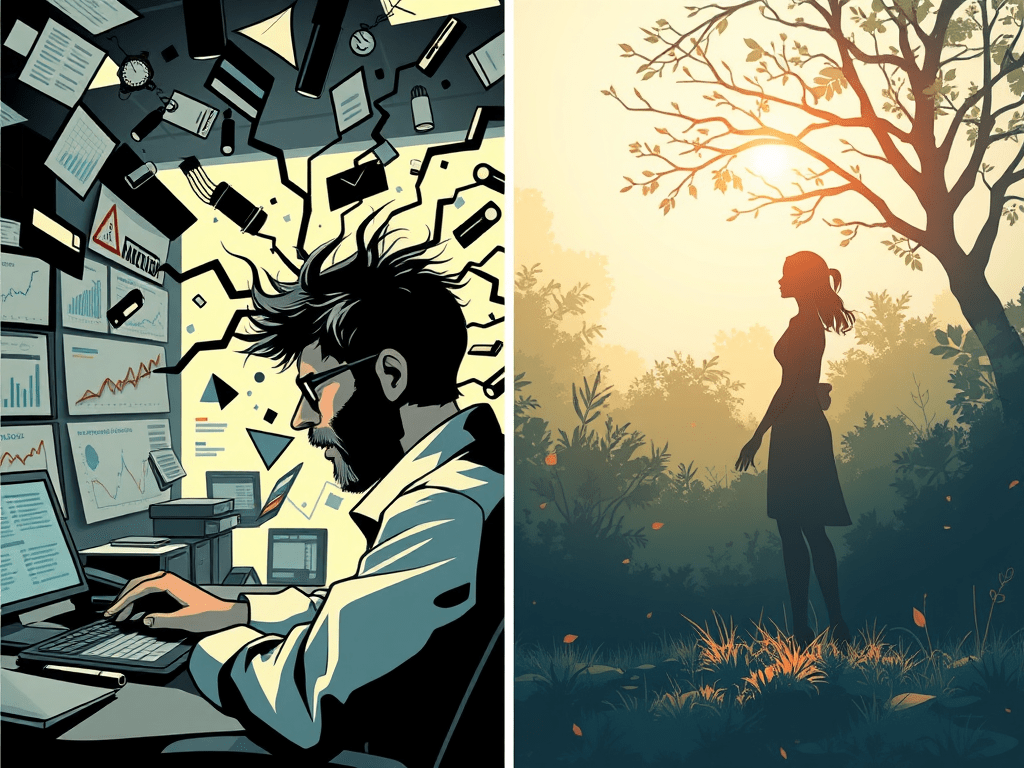
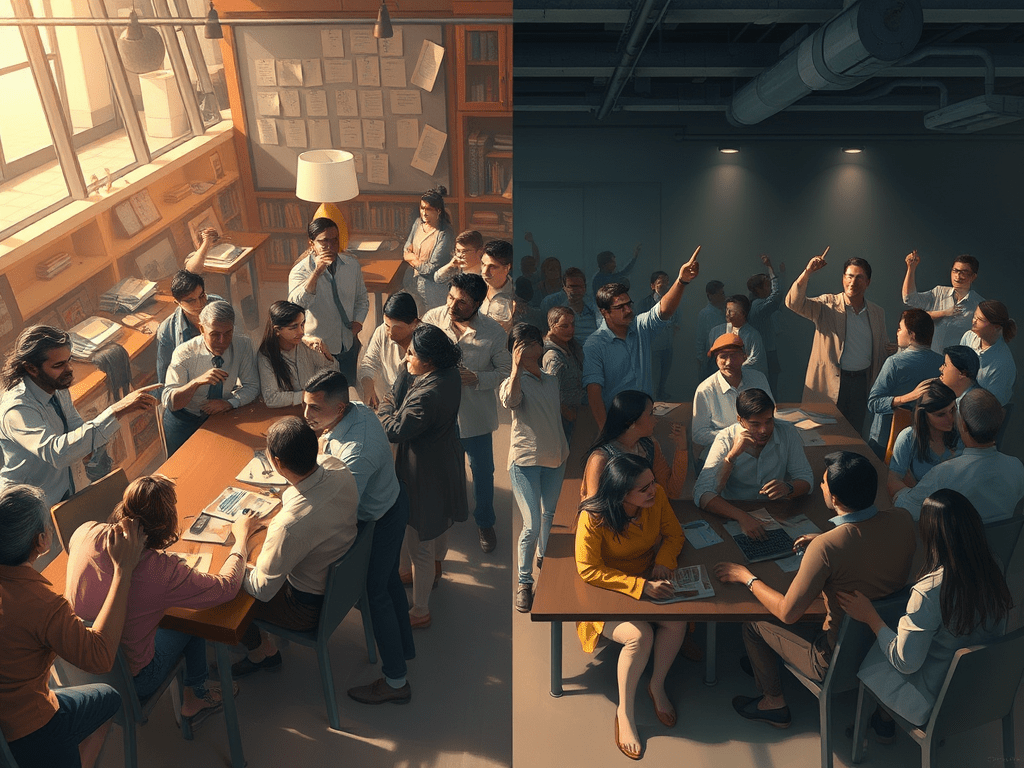
🌪️ The Performance Economy
The Performance Economy is the world so many of us were raised inside — a world where worth is measured, identity is graded, and value is something you earn by performing well enough for long enough.
In the Performance Economy:
- Not‑knowing is treated as failure
- Flaws are liabilities
- Vulnerability is a risk
- Identity is externally defined
- Learning becomes a proving ground
- People become products
It’s an extractive system.
It takes more than it gives.
It rewards the mask and punishes the human underneath.
And when you live inside it long enough, even your nervous system starts to believe the lie:
“If I don’t perform, I don’t belong.”
That’s the root of imposter syndrome.
Not inadequacy — misalignment.
🌿 The Relational Economy
But there’s another way of being — one that feels like oxygen after years of holding your breath.
The Relational Economy is built on:
- reciprocity
- curiosity
- co‑created meaning
- emotional literacy
- mutual transformation
- presence instead of performance
In the Relational Economy:
- Not‑knowing is an invitation
- Flaws are texture
- Vulnerability is information
- Identity is lived, not assigned
- Learning is a shared horizon
- People are participants, not products
It’s not about proving.
It’s about being in relationship — with yourself, with others, with the work, with the world.
And here’s the revelation that hit me this morning:
The only way to be an imposter is to let someone else define who you’re supposed to be.
Once you stop outsourcing your identity, the entire Performance Economy collapses.
It loses its leverage.
It loses its teeth.
🔥 The Trigger That Taught Me
When the imposter spike hit, I didn’t fight it.
I didn’t perform over it.
I didn’t collapse under it.
I told the truth:
“There is so much I don’t know in this infinite world.”
And instead of shame, I felt relief.
Because that’s not a confession — it’s the human condition.
The violence comes from pretending otherwise.
Then the deeper truth surfaced:
“I am infinitely flawed, and that is the beauty of the whole thing.”
Flaws aren’t evidence of inadequacy.
They’re evidence of aliveness.
They’re the places where learning enters.
That moment — that tiny act of honesty — shifted me out of the Performance Economy and back into the Relational one.
It didn’t just soothe the trigger.
It transformed it.
🌞 This Is Why the Relational Economy Is Sustainable
The Performance Economy burns you out because it requires constant self‑betrayal.
The Relational Economy sustains you because it requires constant self‑honesty.
One drains.
One regenerates.
One extracts.
One nourishes.
One demands performance.
One invites presence.
And once you feel the difference — once you experience what it’s like to create, teach, collaborate, and live from the Relational Economy — you can’t go back.
You don’t want to.
Your body won’t let you.
Because this is what sustainability actually feels like:
creation without self‑erasure.
























 Survivor Literacy
What do you think?